
Mother Mary: It Seeks and Finds Me
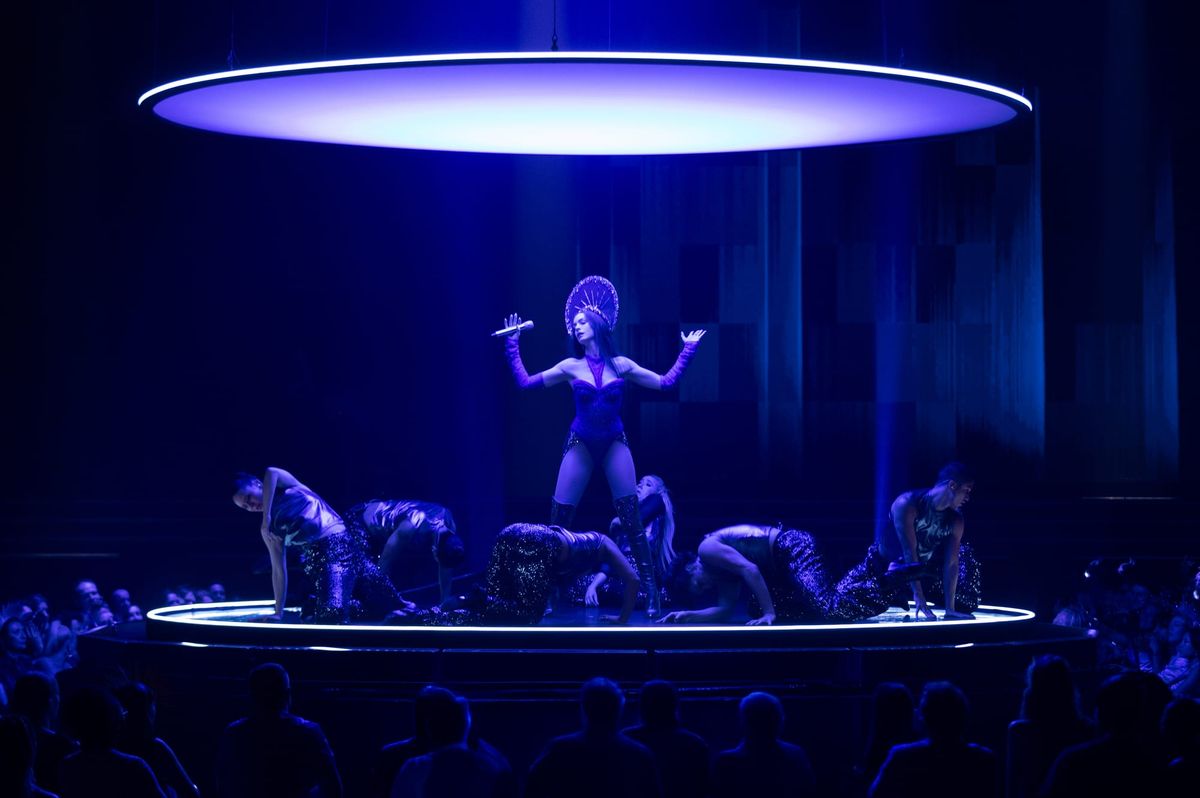
David Lowery knows just how to cut between the tangible stasis we exist within and the boundless supernatural beyond it, the way that narrative worlds unfurl when you and your characters accept that some things exist beyond explanation or understanding. This lends itself to multiple avenues, both the most literalized and conscious path to a conclusion and the thicket of symbolism that surrounds it. It's easy to accuse A Ghost Story of weighting all of its narrative ideation within its one dialogue heavy sequence, or to accuse The Green Knight of focusing on its visual fantasy splendor rather than stewing in the oblique oddities of its source material, but his work remains deceptively complex, reveling in the quiet spaces between moments of clarity. It's a magic that persists even within something as straight shot as The Old Man and the Gun, which could easily be mistaken for a low stakes crowd pleaser were it not for the kind of moments only Lowery could generate, like Robert Redford riding wistfully towards a bubblegum sunset in a way that seems to say more than anything else in the movie ever could.
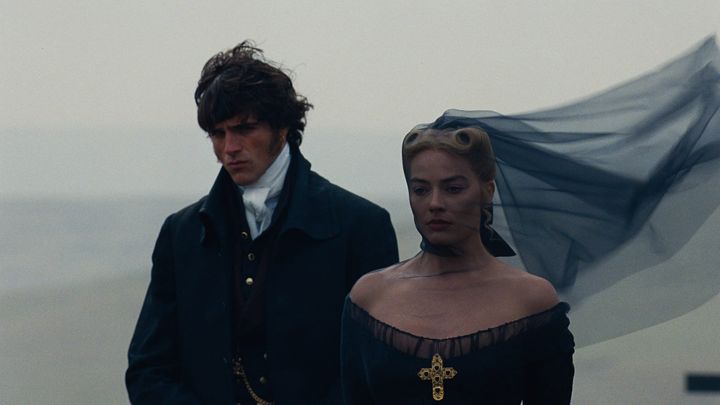
So it's often that Mother Mary feels obvious, if not at times thuddingly so, but the direction of the narrative's inevitability is as irrelevant as the conclusion it reaches. After all, it's with that same kind of signature Lowery clarity that he provides the film's conclusion in its earliest moments, with a line so obvious that the kind of viewer who thinks every movie is a puzzle to be solved might be inclined to simply pack up and leave now they've guessed the end. But for Lowery, it's the way the puzzle is woven that's far more interesting than the way it ultimately comes together, an ambition that's translated to his weathered pop star and her scorned former designer. After enough time spent steeped in the churning waters of industry your image comes prebaked, an idle expectation that autocompletes around an artist as the response to their art forms something they may not have ever asked for in the first place.
Lowery has managed to delicately construct a career out of the "one for them, one for me" model, oscillating between studio IP pictures that still thread an unmistakably familiar style and a series of indie arthouse oddities that strike bold, humanist chords deep within their lush imagery. So it's no wonder that Mary's disillusionment with the industry she's become so deeply entrenched in stems from her boredom with slowly being taken over by the familiar, driving her to return to her ashen roots in search of the kind of creative resuscitation that might spark her to feeling like the life she's living is worth more than allowing her audience to live vicariously through her. Drawing a bridge between A Ghost Story's nearly wordless existentialism and The Green Knight's excavation of ego, Mother Mary's terse psychological chamber drama forms itself around the ineffable essence of creation while pulling dreamy inspiration from the likes of Bergman, Assayas, and Fassbinder.
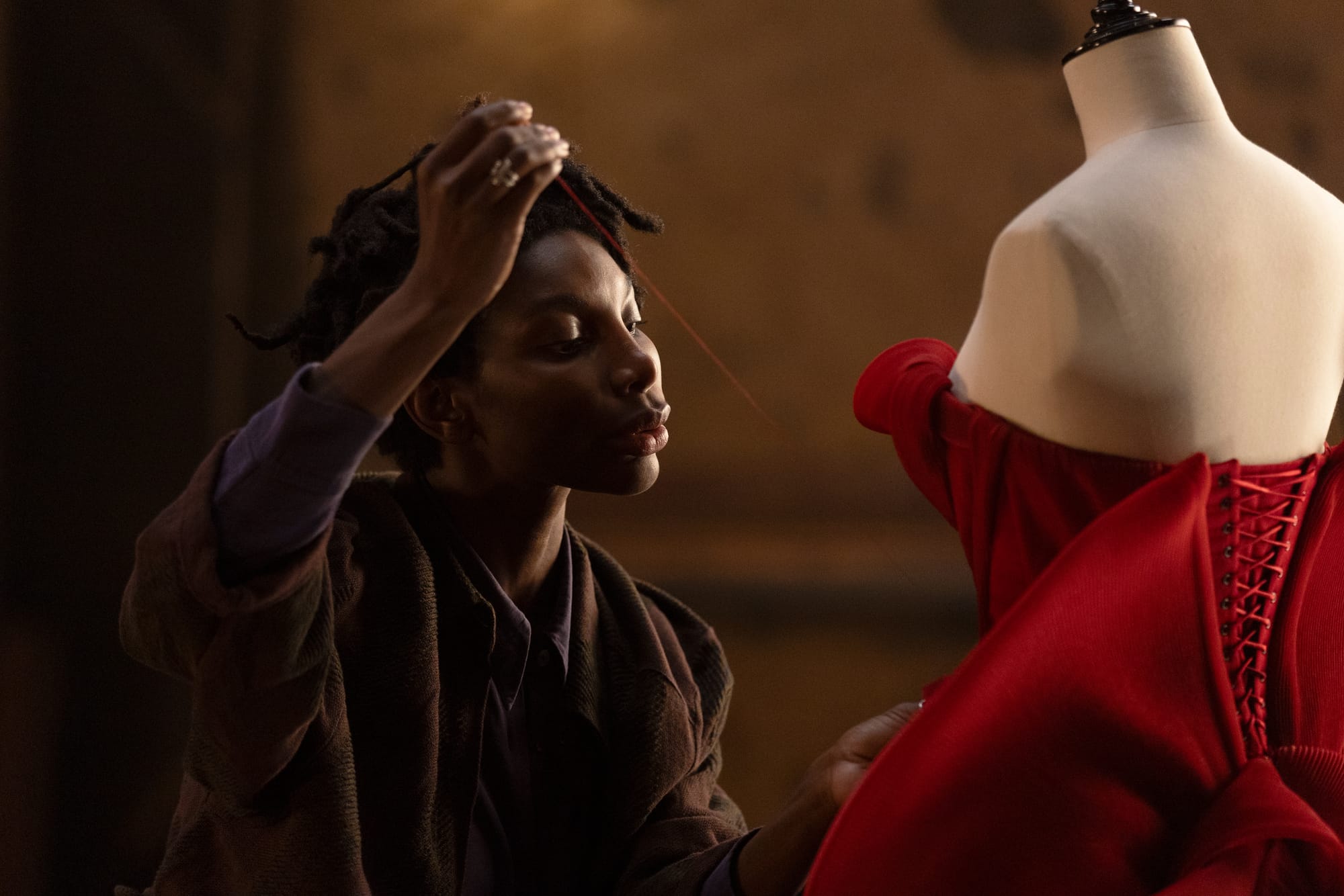
Though despite the clear lines drawn between the melancholic grief and subdued phantasms of Personal Shopper, the psychosexual fashion diva dynamics of The Bitter Tears of Petra von Kant, and the ever-mercurial sense of self in Persona, Lowery is never content to make anything that feels remotely derivative, and Mother Mary maintains a singular vision that twists and bends through a web of psychological erosion and rebirth. It's a stark diversion from Lowery's typically subdued, dialogue light films that ride on the poetry of their prose, but the snappy exchanges between Mary and Sam carve the necessary foundation for everything that lives in between and around. Every glance, every motion, every pregnant pause a new piece of the puzzle that is the relationship unfolding on screen. Every line is continuously blurred in a way that refuses to create a single resolution to the dynamics, something nebulous that slinks every so carefully between friendship, love, sex, fetishism, and art, though by the end it seems clear that all of these things are inexorably linked within us.
It's a film that flirts with the metaphysical, dancing with demons as exorcism, orbiting around the critical moments that led to the ascension and destruction of Mary's celebrity as they reveal themselves to be inescapably intertwined with Sam's trajectory, an entanglement across space and time excavated through the creative process. When Sam envisions a grandiose, garish design of a dress that would incorporate pieces of every past design she's woven for Mary as a symbolic chrysalis from which Mary would shed and emerge anew, it becomes quickly clear that this is yet another fold in the psychological games at play, less a tangible suggestion and more a seed, a gentle push to poke and prod at Mary's emotional state to break her down, to get to the root of why someone she hasn't seen in a decade might suddenly appear on her doorstep from halfway around the world without warning.
So slowly, a psychosexual tango toeing the line between sadomasochistic power play and humiliated groveling for redemption forms into something new, two twin stars across the universe finding what has been lost between them in an attempt to extract beauty from suffering; or the effort of any artistic endeavor. Yet by the point that the film has become something entirely new without ever shifting its focus away from the dusty, cavernous fabric barn Sam and Mary have locked themselves in, it's clear the dress doesn't matter at all. Is the result of our endeavors at all relevant in the face of how we got there? Lowery posits in his finale a fantasy that feels as emotionally grand in scope as the entirety of The Green Knight, housed within the mind the image of someone who has come to understand the relationship between themselves and their creative partners, the ways that our stories compound and expand when we are hopelessly connected to each other, when we bleed for each other and not just for ourselves. The conclusion is irrelevant. The process is how we heal.

Comments ()