
The 25 Best Films of 2025
While the eye of the storm closes in from a thousand forces conspiring to devalue the human spirit in favor of cheap, exploitable profit, we continue to be immersed in a wealth of artistic brilliance that offers insight into the human condition.
Movies are always good. This year more than ever it feels like that mantra is a necessity, but where it once felt like a necessary rejection of the idea that the quality of art was in decline, it now feels like a declarative statement in favor of the importance of art itself. Regardless of quality, the persistent endeavor of art as a cultural force for empathy and understanding will continue to be a societal good. While the eye of the storm closes in from a thousand forces conspiring to devalue the human spirit in favor of cheap, exploitable profit, we continue to be immersed in a wealth of artistic brilliance that offers insight into the human condition.
2024 was a year marked by cinema that wrestled with our disaffection, the ways that the modern era has slowly sanded down the edges of connection and left us cold and isolated. 2025 feels like an attempt to reconcile with those ideas, to investigate the state of our world as we attempt to pull ourselves back together in the midst of more violent rhetoric than ever. As the world seeks to split us apart the response of art is to find connection, whether it's between people, or between us and the world around us, it is our charge to seek intimacy through expression.
With this we can begin to gaze into the horizon towards what 2026 will offer, both the films we are already anticipating and the films that will undoubtedly surprise us. The sequel to one of 2025's biggest surprises, 28 Years Later, a new Christopher Nolan epic, another meticulously crafted period terror from Robert Eggers, Tom Cruise continuing his strange journey of interrogating his own persona in Iñárritu's latest, and Spielberg returning to the summer blockbuster with an alien odyssey.
From the tiniest microbudget cinema to the year's biggest films there will always be value in human artistic endeavor, and each passing year makes it all the more important as people try to rip it away from us. Ten is never enough for a list like this, and even 25 feels limiting, cutting off great films like Takeshi Kitano's Broken Rage, Matt Farley and Charles Roxburgh's Evil Puddle, the utterly bizarre yet oddly and painfully familiar Friendship. The world class stunt work of Mission: Impossible - The Final Reckoning, the stunningly crafted heist sequence in Den of Thieves 2: Pantera, the riotously funny Naked Gun reboot. Here's to the 25 best films of 2025, here's to everything that didn't make the list, and here's to the perseverance of art.
25: The Secret Agent
dir. Kleber Mendonça Filho
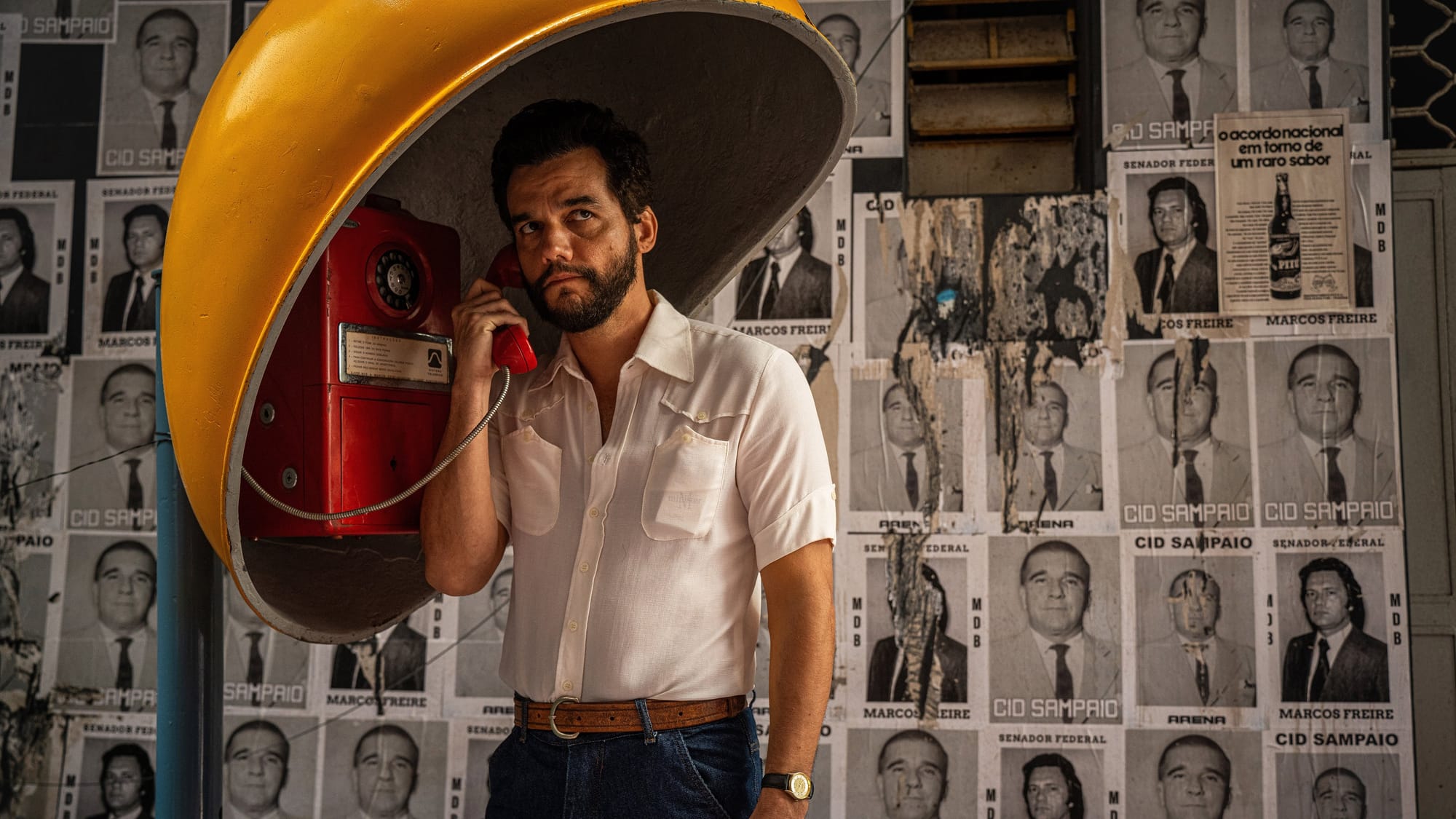
The kind of film that Kiarostami was talking about when he said the same films that put him to sleep in a theater are the ones that keep him up at night for weeks. Something here seeps into your bloodstream, slowly, an almost imperceptible simmer not dissimilar from the way that fascism dissolves into normality and becomes a distant, faded memory. The painstaking recreation of period and space is its own thematic drive, this swirling and churning idea that cinema and the culture it connects us to can bring us closer to the past than those who had to exist in its shadow. Its title and framework are deceptive in that it never quite acquiesces to the register it presents itself as being in, less a searing political neo-noir thriller and more an expressive imprint of lingering images, placing you in a dusty movie house trying to decipher the disparate pieces of the puzzle through the smoke passing over the projection. The central idea here being that the lasting effect of fascism is in its ability to destroy the strands that tie us together; like the crux of I'm Still Here it all hinges on paperwork, the documentation of existence that proves an ability to persist. Eventually the blood dries, the building is torn down, and the rest is just a whisper being deemed too confidential to release. The occupation never really ends. –VS
Seattle Film Critics Society Nominee for Best International Picture.
24: Eephus
dir. Carson Lund
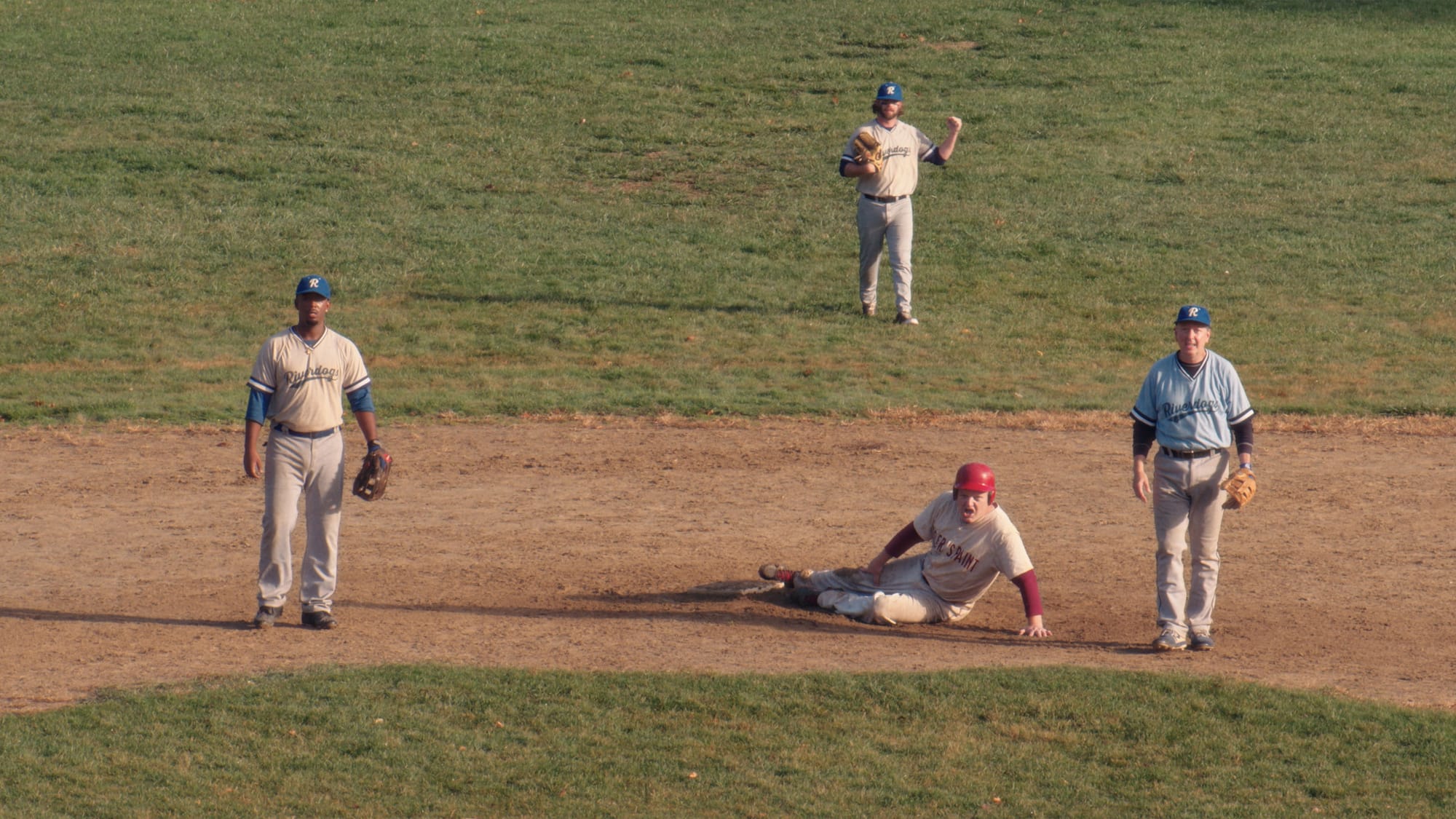
The stars are aligned in Eephus. It takes after the strange kind of pitch it's named after, a pitch that's uncharacteristically slow in a way that catches the batter off guard, a pitch that seems to elude time and space. The film, and its characters, move in much the same way - an extended instant with no set pace, no predictable arc. The film moves with no urgency, and its collection of misfit baseball players are determined to make their final moments of baseball together last as long as possible. The game should have ended hours ago and they find reasons to keep playing, keep delaying, to defy the natural stopping points in pursuit of an ineffable perfect day of baseball. You can throw an eephus and you can watch it meander peacefully through the sky, but eventually it crosses the plate. –VS
Seattle Film Critics Society Nominee for Best Ensemble.
23: The Shrouds
dir. David Cronenberg
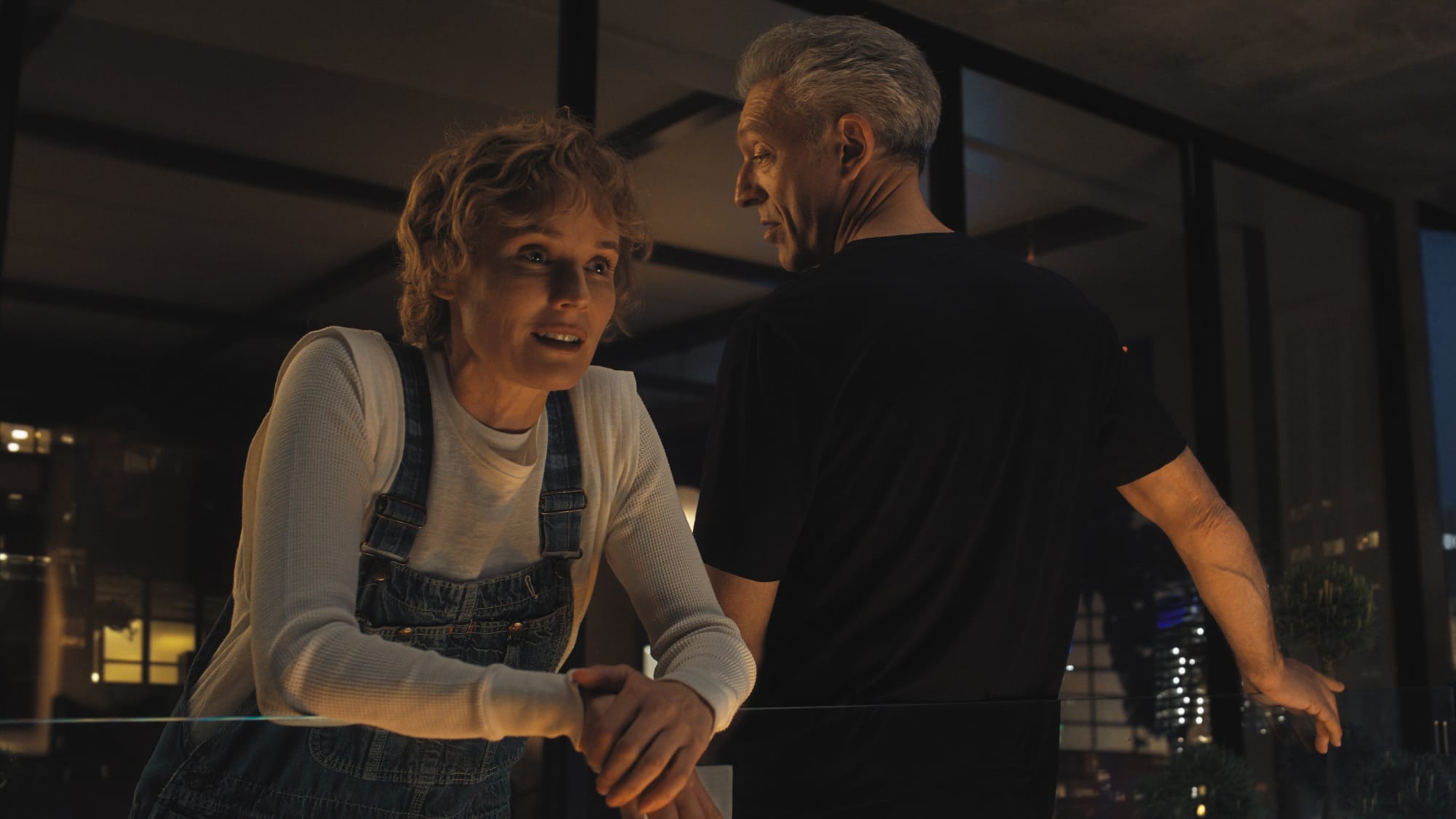
Check out the podcast on this one. Cronenberg defies easy categorisation and reductive critique even if he’s slightly missing. Hell, even him missing may be why this is interesting, a film that encompasses critique of itself and turns it into spiralling intent. It’s a mess, it’s a rehash but then it mines gold out of the idea of being a messy rehash. I’m not sure it’s a great film but it further cements Cronenberg as a singular talent. –SG
22: Blue Moon
dir. Richard Linklater
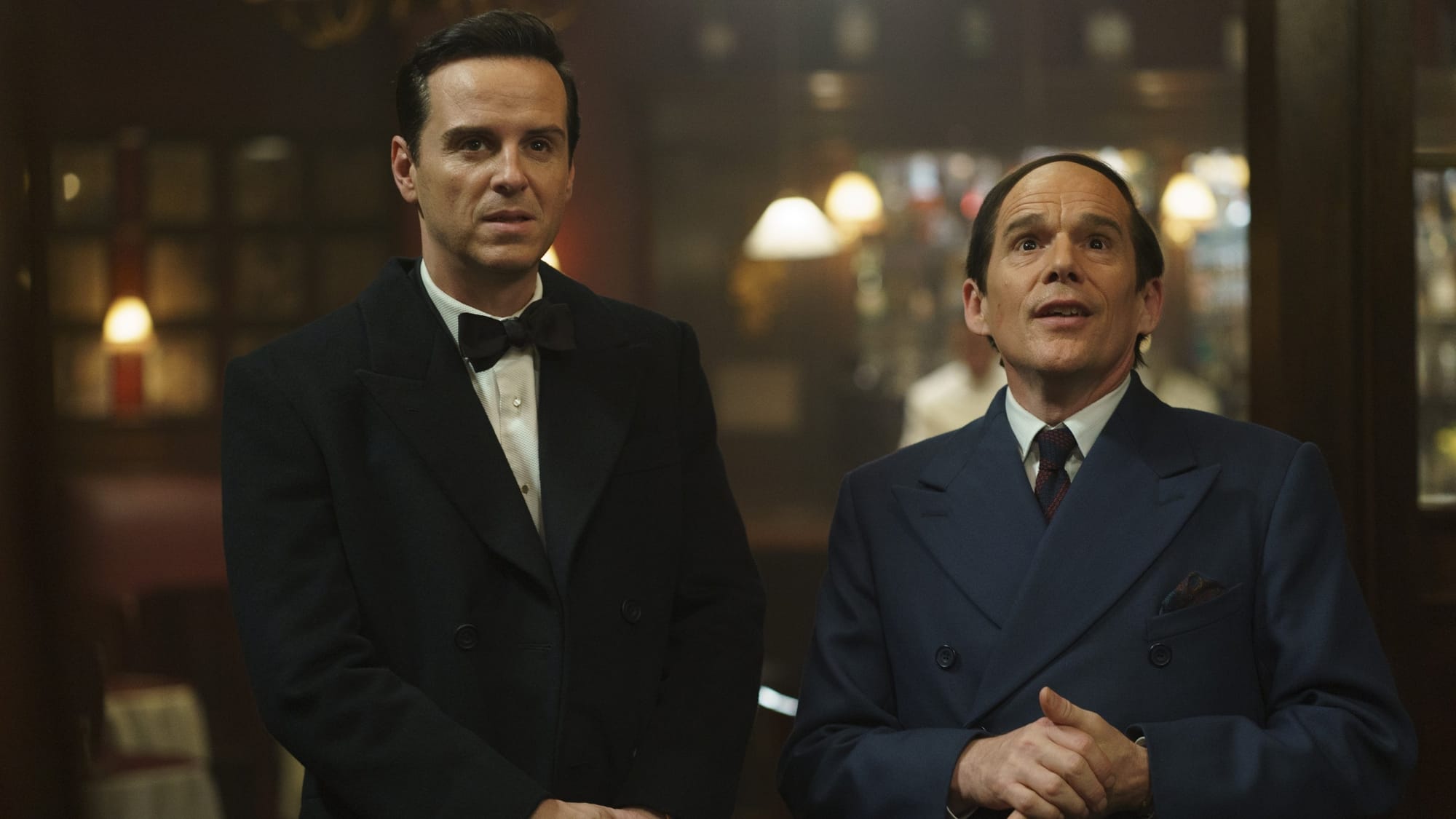
Linklater's most wistful and melancholic portrait of humanity since Before Midnight, a profoundly sorrowful chamber drama about love and the lost art of earnest romanticism. Staged like a play about a playwright's soul slowly dissipating; his creative partner abandoning him for what he sees as saccharine falsity and a fabricated Americana, the object of his undying adoration failing to reciprocate his love in the way that he so desperately needs. The air is thick with the kind of heartfelt, jazzy atmosphere that belies something more uplifting but Linklater - and the character he so effusively renders here - isn't interested in that kind of cheap sentimentality. Instead proving that yearning is meaningless without an equal pang of heartache, a necessary dichotomy underscored by the elation Hart is filled with when he soaks in the dulcet tones of the piano in the corner, when he spots E.B. White scribbling notes in the corner, or when Elizabeth enters the room, her presence a soothing tonic on the soul that seems to slowly be separating itself from his spirit. It's hard to see so much beauty everywhere when it never seems to find its way to you. –VS
Seattle Film Critics Society Nominee for Best Lead Actor (Ethan Hawke).
21: Left-Handed Girl
dir. Shih-Ching Tsou
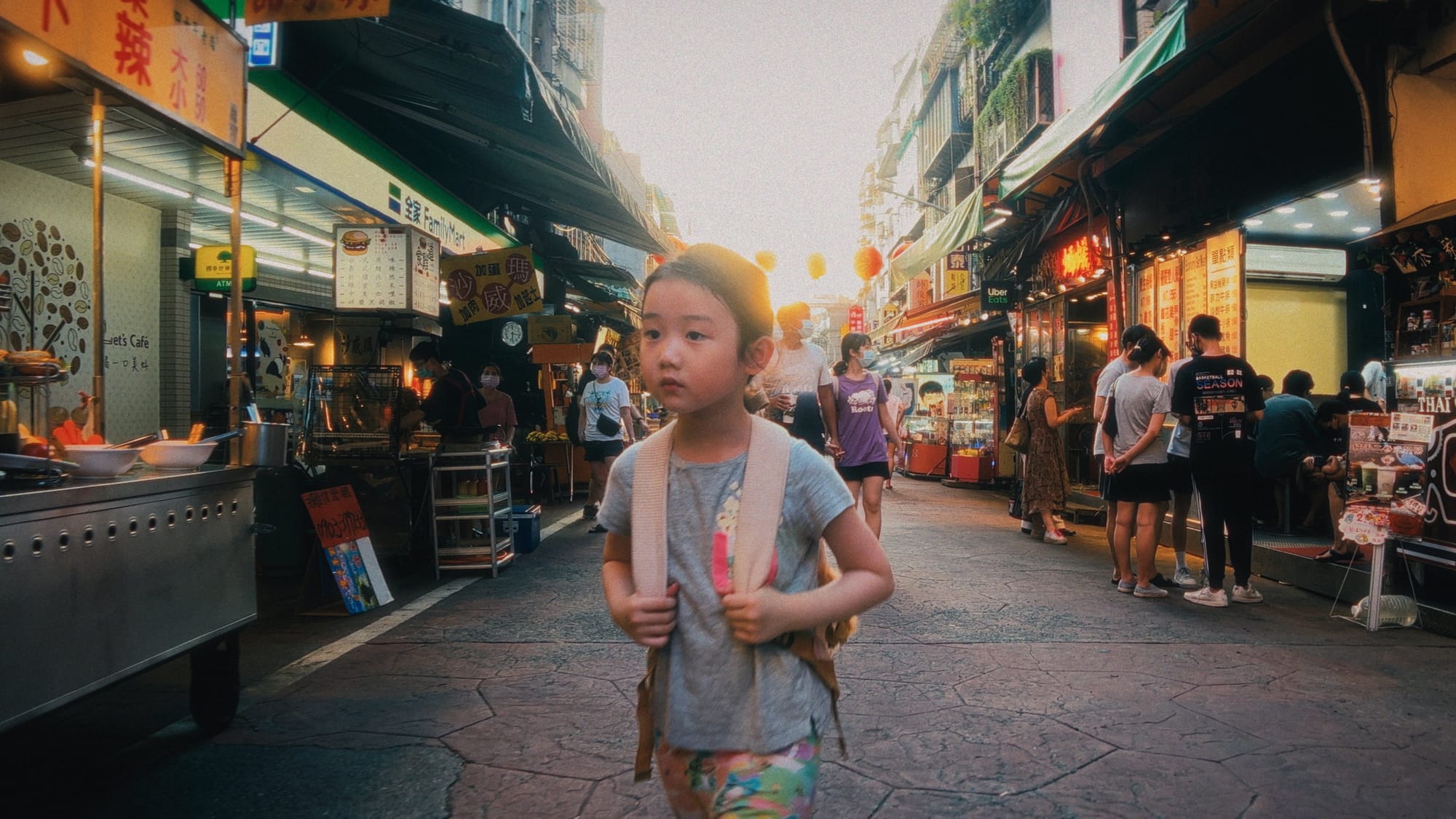
The impossibility of living in a world ruled by archaic patriarchal structure, drifting in and out of every system designed to keep you gasping for air. Eminently heartbreaking but endlessly tender, the Shih-Ching Tsou / Sean Baker vérité stylization offering a tactile window into a sun-drenched Taipei simmering in struggle. Everything flows beneath the surface, hushed whispers of familial turmoil and a past flooded with pain, apparent in every neon-torched frame. –VS
20: Bugonia
dir. Yorgos Lanthimos
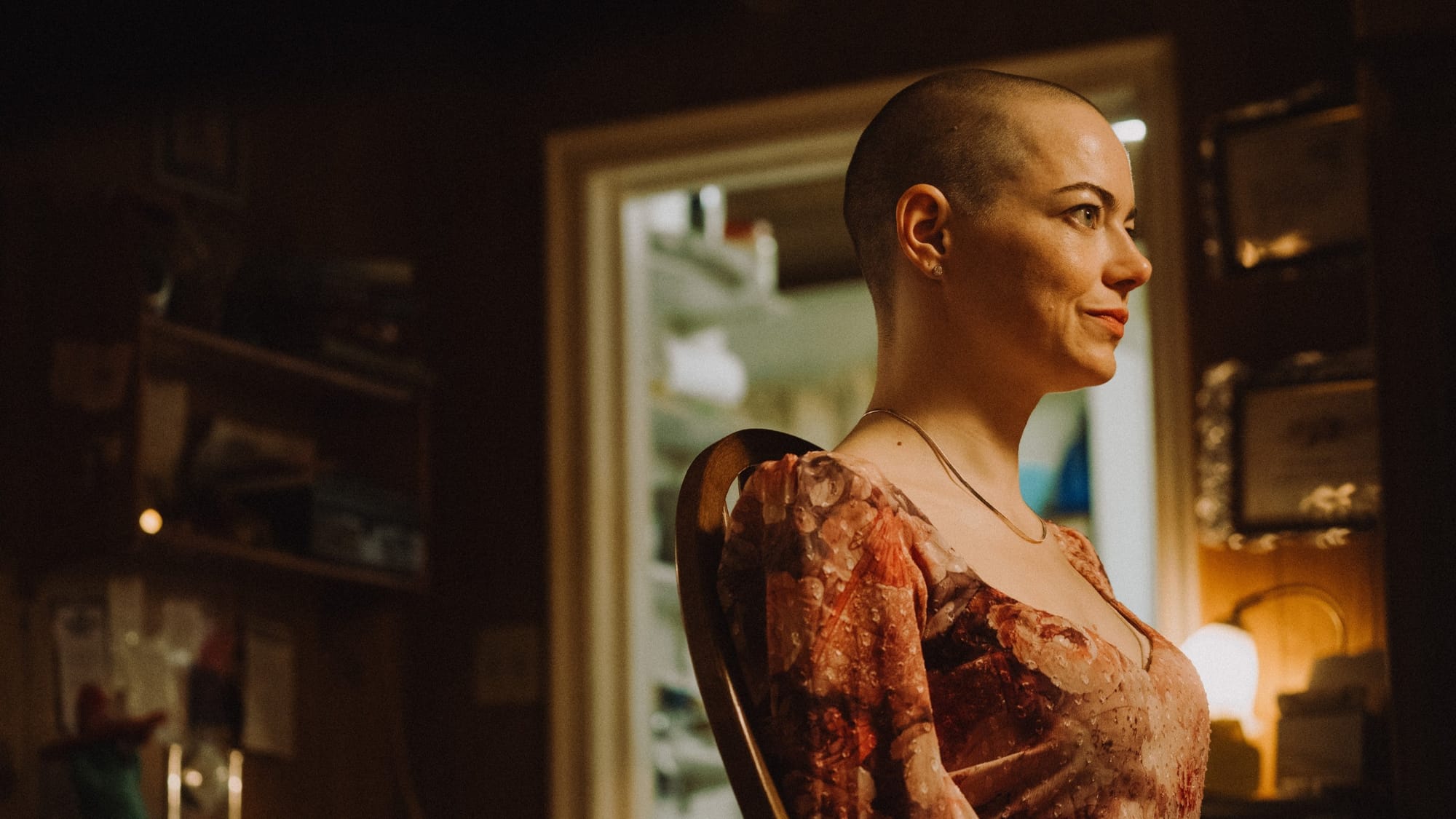
Materializing the systemic collapse of humanity. Grief at the hands of corporate indifference as the catalyst for our downfall, as we watch ourselves desperately scramble for any shred of explanation for our extant trauma. Empathetic even at its most viscerally upsetting as to how conspiracy slowly poisons us as a response to tragedy, and draws a thick line of class dissonance between the generational suffering of the working class and the continued failure of wealth to resolve that suffering. So desperately they want the answer to be money because it's all they have, but everything beneath them is dying in a way that money cannot insulate them from. By the time it's all over, what will it all have been for? Lanthimos' They Live for the internet era, a vindication that maybe the way we're all feeling is justified. –VS
Seattle Film Critics Society Nominee for Best Picture and Best Lead Actress (Emma Stone).
19: Wake Up Dead Man
dir. Rian Johnson
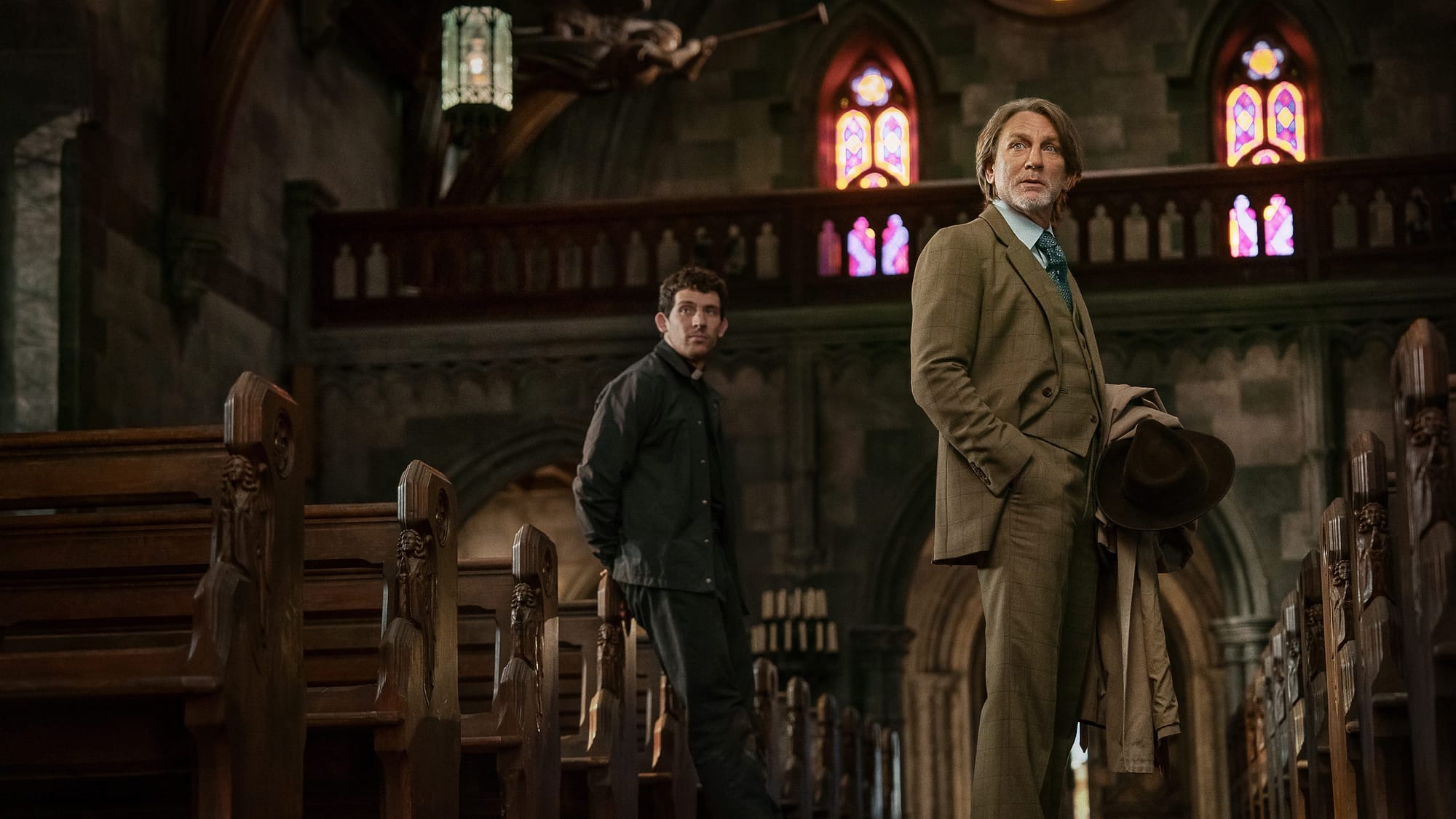
The first film shone as being a modern one of those when one of those is a thing you don’t really get anymore. A refreshing film in how it modernised a genre. We are now in the position where repeated sequels mean the another one of those is just another one of those. However, they just keep being good.
This lacks the burst of novelty but, in some ways, is the strongest and most assured. The ensemble is a bit lacking, in terms of being showcased, but that is because the focus is narrower and the gains make up for this. The characters it does focus on are richer and this is the most resonant and emotional Knives Out film. Irony is used less as a crutch and there's a sincerity and feel of the personal that makes this instalment really stand out. –SG
Seattle Film Critics Society Nominee for Best Ensemble.
18: Sorry, Baby
dir. Eva Victor
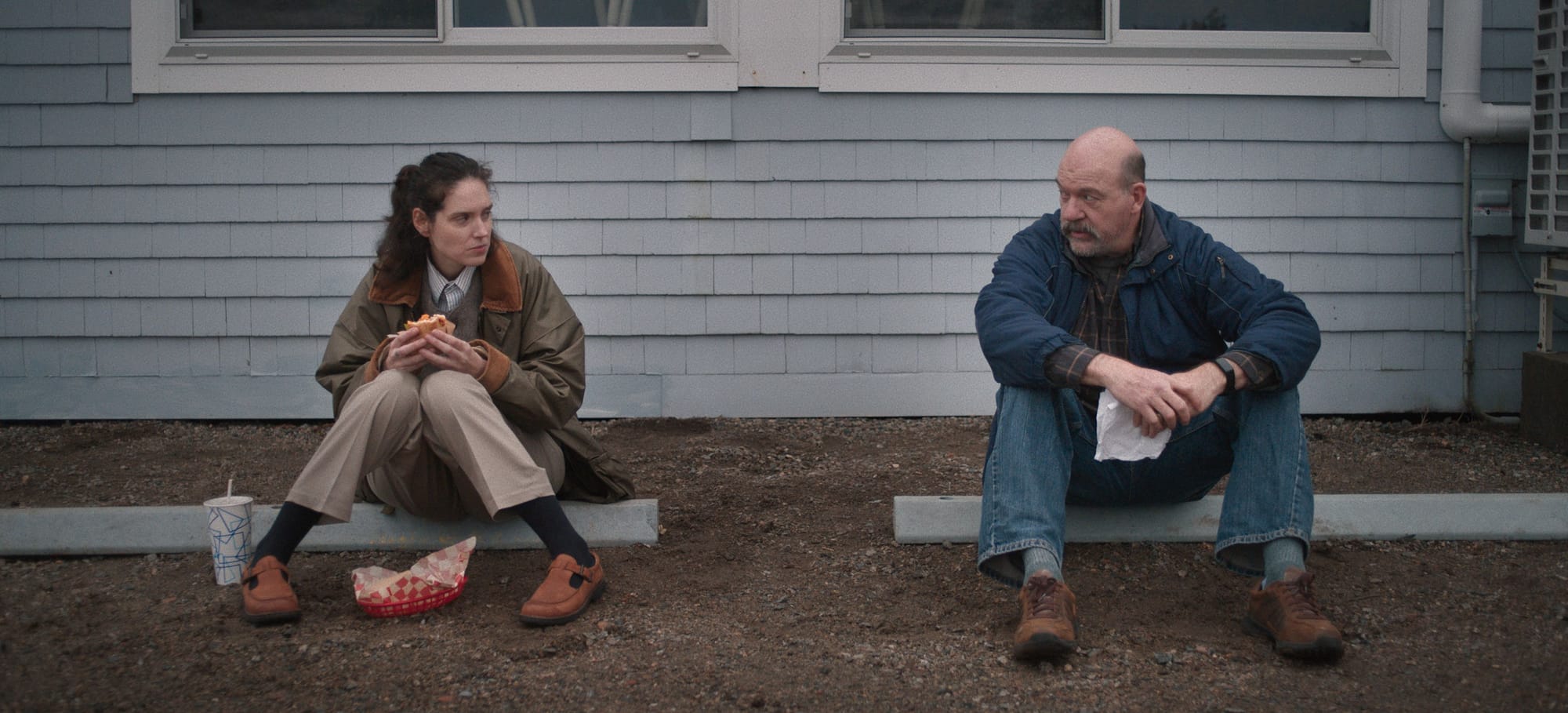
The year's most utterly remarkable screenplay, a masterful and elegant balance of tone that glides so effortlessly through its rollercoaster of emotion that you never quite know whether to laugh or sob. For such a resolutely heartbreaking premise it is ultimately hopeful and sweet, flooded with empathy and understanding without ever detracting from the severity of its thematic drive. It would be a stunning film for anyone to make, so the fact that it's Eva Victor's debut only makes it a more brilliant accomplishment, especially to balance it all with being at the center of the film with a powerful performance that lands itself as one of the year's best on its own. Few films can be so masterfully crafted while also taking the time to underscore the emotional importance of a cat coming into your life at the right moment. –VS
Seattle Film Critics Society Nominee for Best Picture, Best Lead Actress (Eva Victor), and Best Screenplay.
17: Happyend
dir. Neo Sora
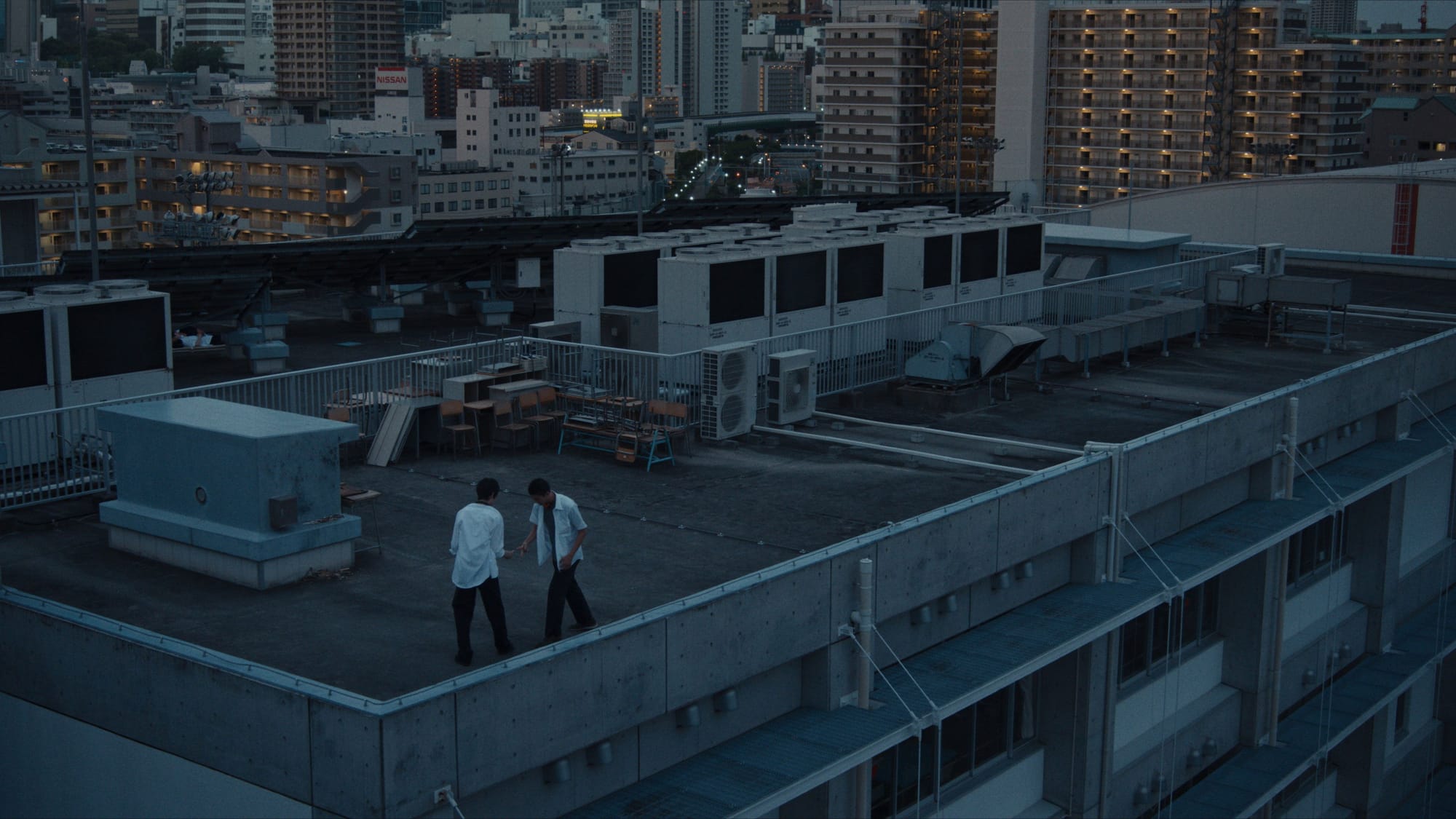
Carves a neo-fascist dystopian cyberpunk landscape out of negative space, a lo-fi exploration of disaffected youth in the spirit of Blue Spring or Rebels of the Neon God. Adolescence in search of catharsis and connection pushed into authoritarian structures and regressive ideals, the throes of angst and self-discovery interrupted by the past being forced on the present. Xenophobia enforced by outmoded practices seeps through the social fabric and imprints on those who have no frame of reference for such destructive othering, pushed by nightmarish technological overwatch that restricts expression. Music as the only escape, headphones and subwoofers a portal to another world where the thudding bass and driving synths elevate experience beyond such a restrictive plane of reality. Fitting that Neo Sora would be able to so expertly explore the atmosphere of music against oppression, but he wields it with a heavy futurism, thinking forward to a not-so-distant future where data can be wielded instantaneously and destructively. Happyend is appropriately bittersweet, acknowledging the sorrowful wash of time as we grow older and grow apart from each other, but also defining the power of collective action as the only effective tool against the ever encroaching threat of fascism, often sold beneath the guise of protection until it becomes too late to find those liminal moments of catharsis. Sometimes, "eat shit and die" is the only appropriate response to authority. –VS
15: 28 Years Later
dir. Danny Boyle
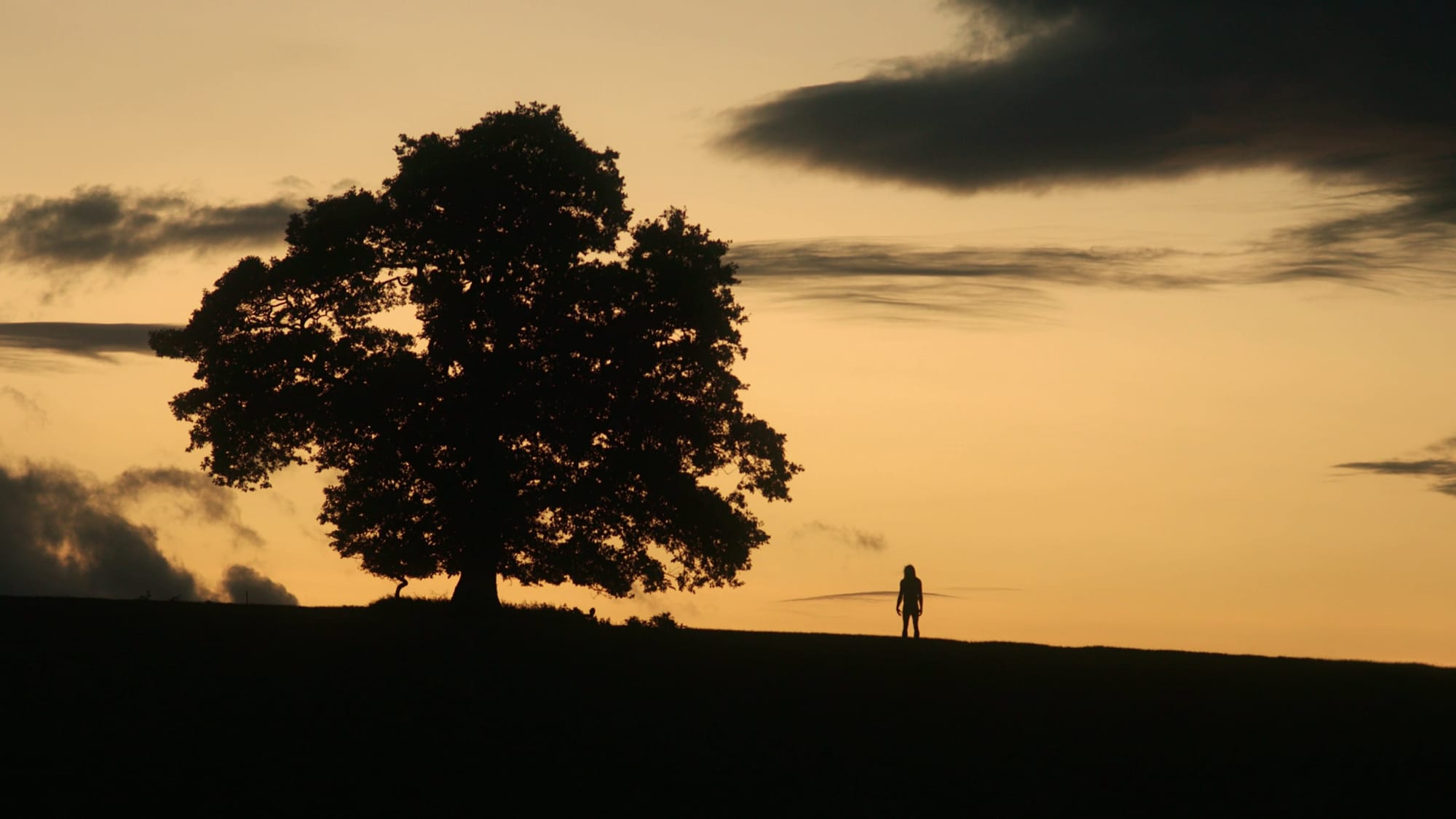
The earnestness of the film's emotional pleas and its lilting spiritual undercurrent are refracted through its hyperstylization, inverting the original film's grimy digital scuzz and blowing it up into the now chaotic, fragmented energy that occupies our minds. Boyle's approach almost feels like if De Palma had made a zombie movie, impressionistic filmmaking through cinematic technique and fervor. We are immediately removed from the past, yanked through the scanline haze of a buzzing CRT blaring the cheerful sounds of Teletubbies while it all gets splattered in blood and viscera. The past has been torn to shreds by modernity and we now live in an era of manic psychedelia, every inch of loose, burnt flesh highlighted by nauseating macro vision before it splatters onto the forest floor with a whip pan and a freeze frame bullet time burst of blood. It's all spliced together with alien, crimson night vision where eyes glow with white hot intent, intercut with footage of nationalistic thrusts of men charging to war, mindless rows of arrows soaring to sink into flesh. Only highlighted by the film's blended experimental soundtrack, the sounds of British indie rock combined with droning synths and screaming strings, the sonic fingerprint of a country set ablaze while the world crumbles around it. –VS
14: The Phoenician Scheme
dir. Wes Anderson
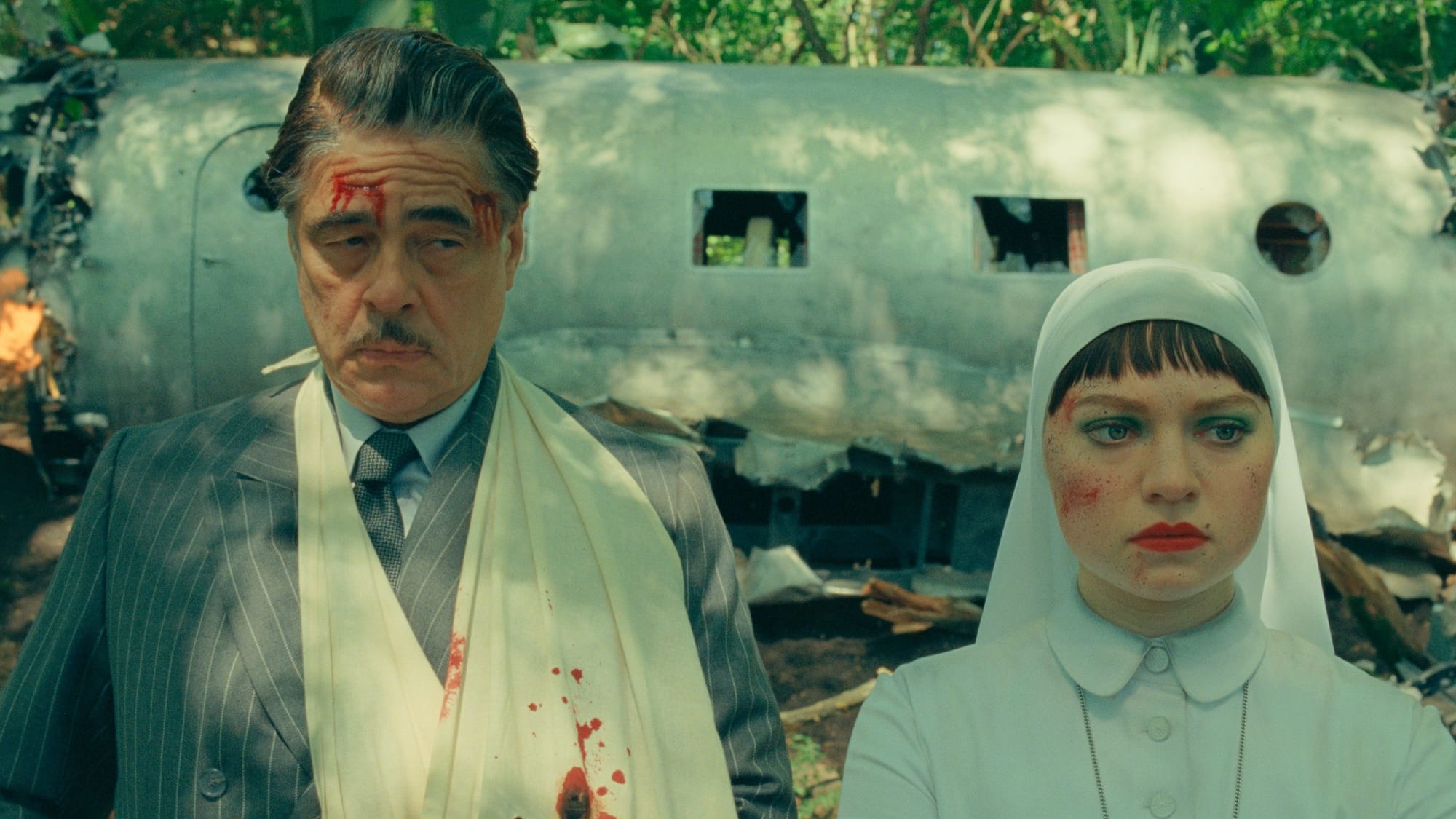
The elegant, colorful brilliance of Wes Anderson continues to be found in the way he so effortlessly weaves these thoughtful musings on our chaotic state of existence into endlessly engaging comedies, mile-a-minute farces flooded with blink and you'll miss it gags, so immaculate and quick-witted that you often barely notice the way his sincere sentimentality has seeped into the fabric of the film. With The Phoenician Scheme, Anderson flattens his typical approach of kaleidoscopic layered narrative devices, no longer a story within a story within a story but here a simple series of moments and characters. The reflexive, metafictive structuring that made The Grand Budapest Hotel and Asteroid City such beautiful odes to the art of storytelling is gone, but we return to the heartfelt simplicity of works like The Royal Tenenbaums and The Life Aquatic, characters in search of family and in search of love. –VS
Seattle Film Critics Society Nominee for Best Costume Design and Best Production Design.
13: The Testament of Ann Lee
dir. Mona Fastvold
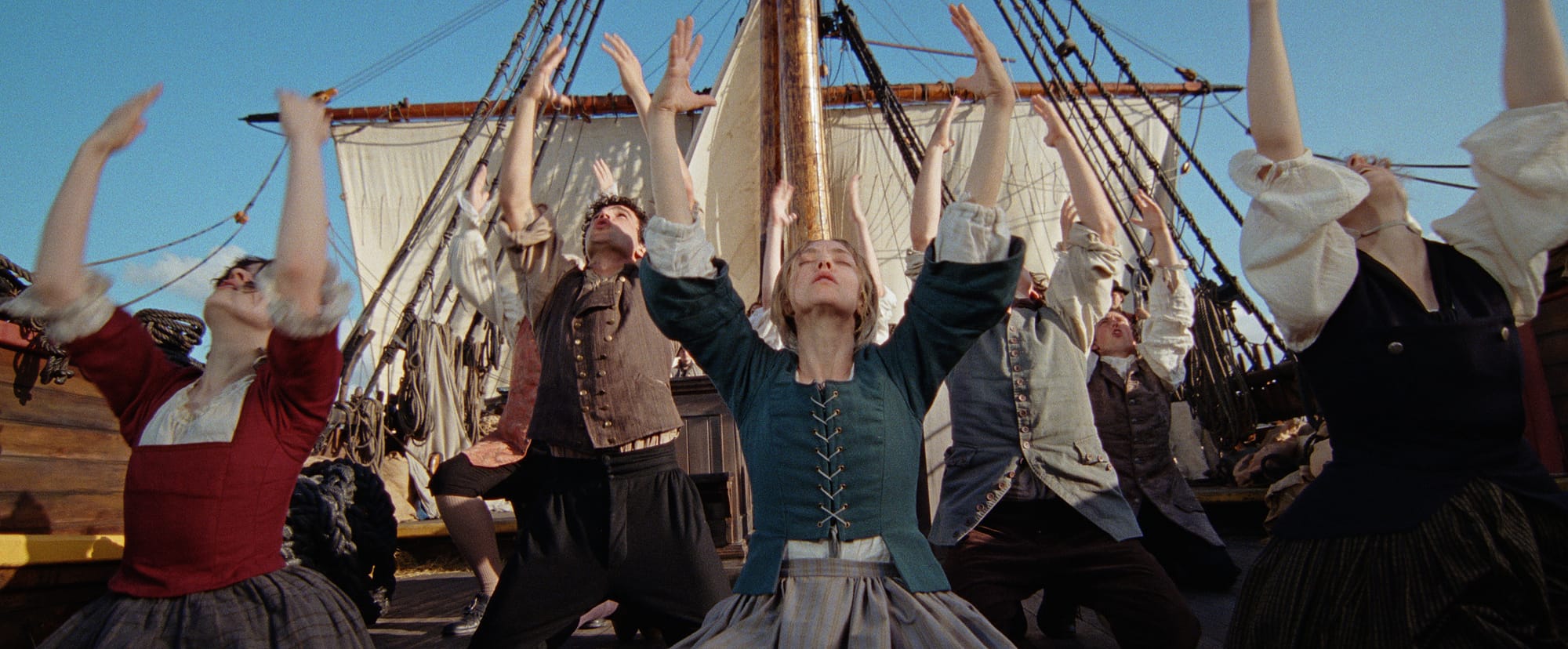
Miraculous in its construction even more so than The Brutalist, because rather than viewing the destructive and rigid conservativism of America through a lens of modern post-war immigration and creation as a monument to all our pain, this displays egalitarian religious hysteria as radical action; that even in the earliest days of America's creation there was no space for an immigrant who believed in the potential of collectivism. Dredges endless amounts of catharsis from its fevered hymnal choruses, displaying a means of accepting the suffering of your flesh and searching for a way to build something better as a result of it. The austere sincerity is the method here, an unflinching look into a sense of iconoclastic madness that teeters a fine line between cultlike fervor in service of an unwavering belief in an idol and a genuine sense of wonder at the utopian vision of utilitarian equality. Pure cinema. –VS
Seattle Film Critics Society Nominee for Best Lead Actress (Amanda Seyfried).
13: Black Bag
dir. Steven Soderbergh
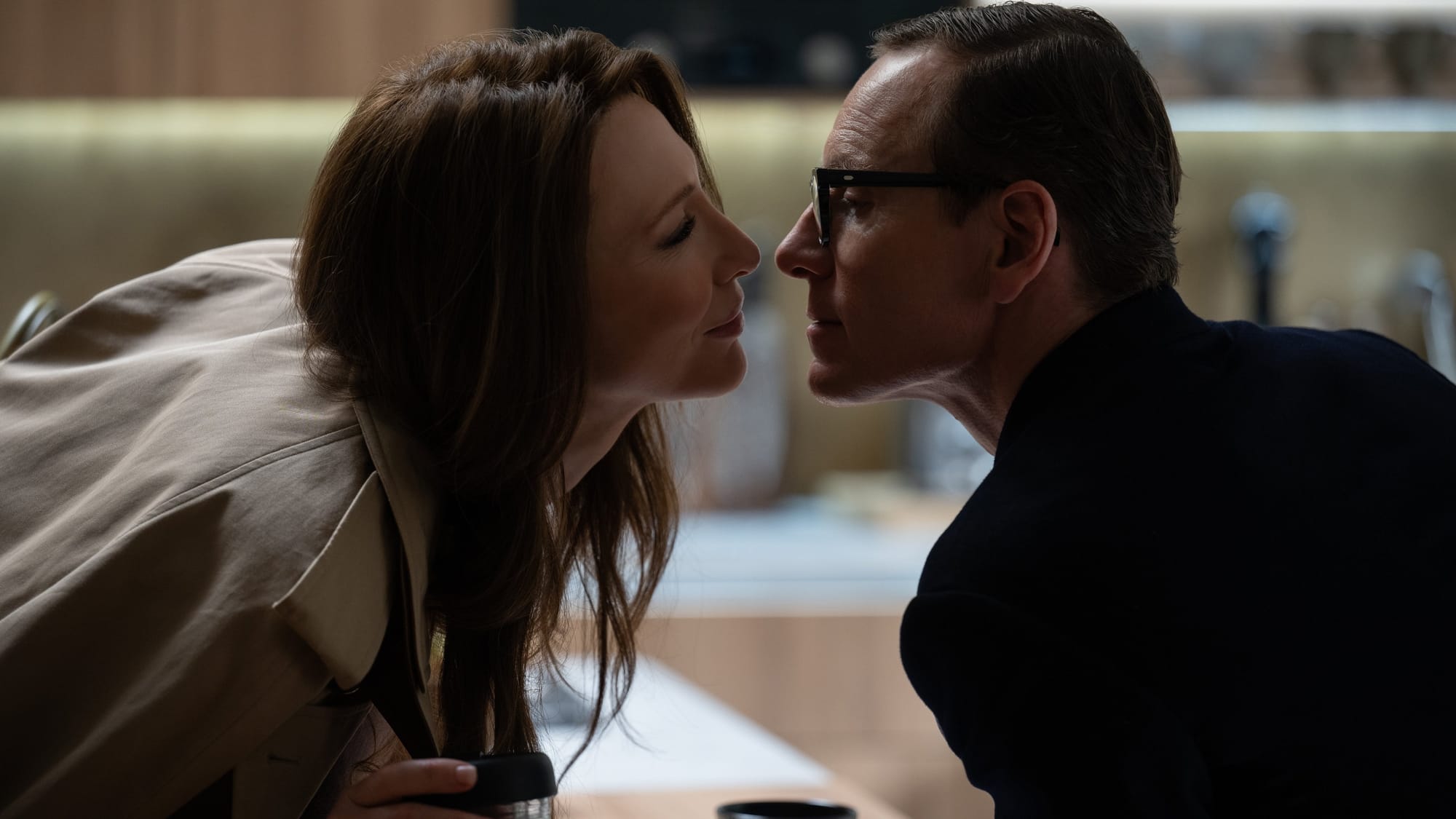
Steven Soderbergh may be the greatest to ever do it. A fascinating filmmaker always itching to create, even deep into retirement, and never not interesting. This is one of three film projects this year as well as just one of the year’s best.
This is a filmmaking masterclass, always the superlative version of what it is. Performances are exceptional, the edit is so propulsive and the direction is so resourceful. Always elevated by craft, as well as one of the sharper scripts out there. The narrative is dexterous and clever, twisting around and playing with expectation. Ultimately, why it’s brilliant is because of how swooningly romantic and affirming it is. For all the double and triple crossing, it is a relationship movie and all an excuse to show this bond and what comes of it. Heartwarming stuff, and cool as anything. –SG
12: Pavements
dir. Alex Ross Perry
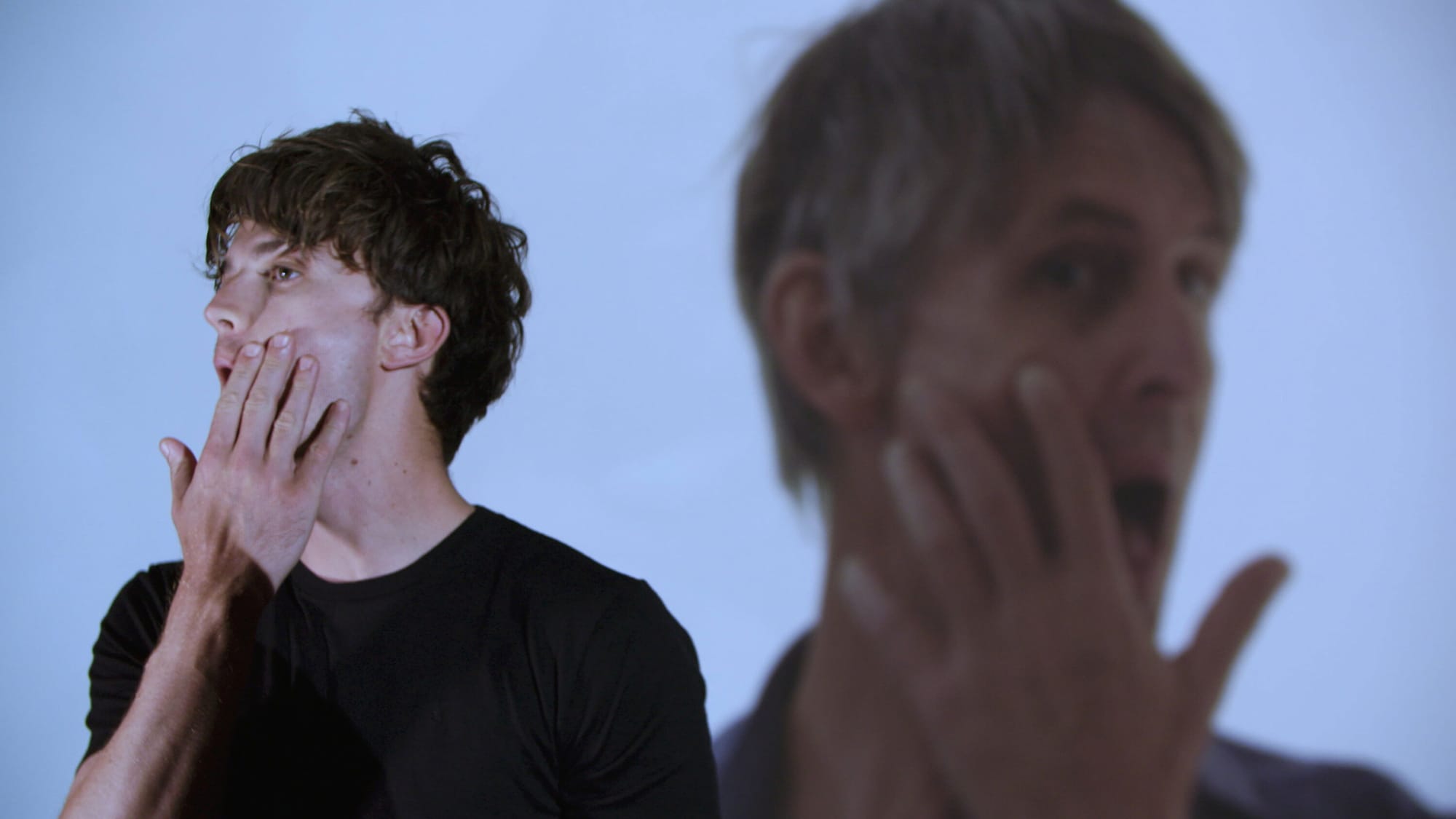
I’ve been trying to write about Pavements since I saw it. I’ve watched it two times since and I still don’t know quite how to tackle it. I’ve even spoken at length with Vaughn on the podcast.
This is because I feel I won’t do it justice. It is such a brilliantly funny film and a great doc about a band I adore. But it is also so intelligent and layered. A dialectic on the music film that blends modes to become an active treatise on what the music film is or should be — or shouldn’t be. Also, an attempt to encapsulate the spirit of a band rather than just tell their story. It is experimental and genre busting but also stays forever in the key of fun.
Real life doesn’t narratives easily, the stories of bands don’t fit a template. This film is as much about what we want as audiences from supposedly non-fiction filmmaking as much as it is about the band Pavement. A film of contradictions that embodies them and makes them dance around, showboating an effortless complexity. –SG
Seattle Film Critics Society Nominee for Best Documentary.
11: No Other Choice
dir. Park Chan-wook
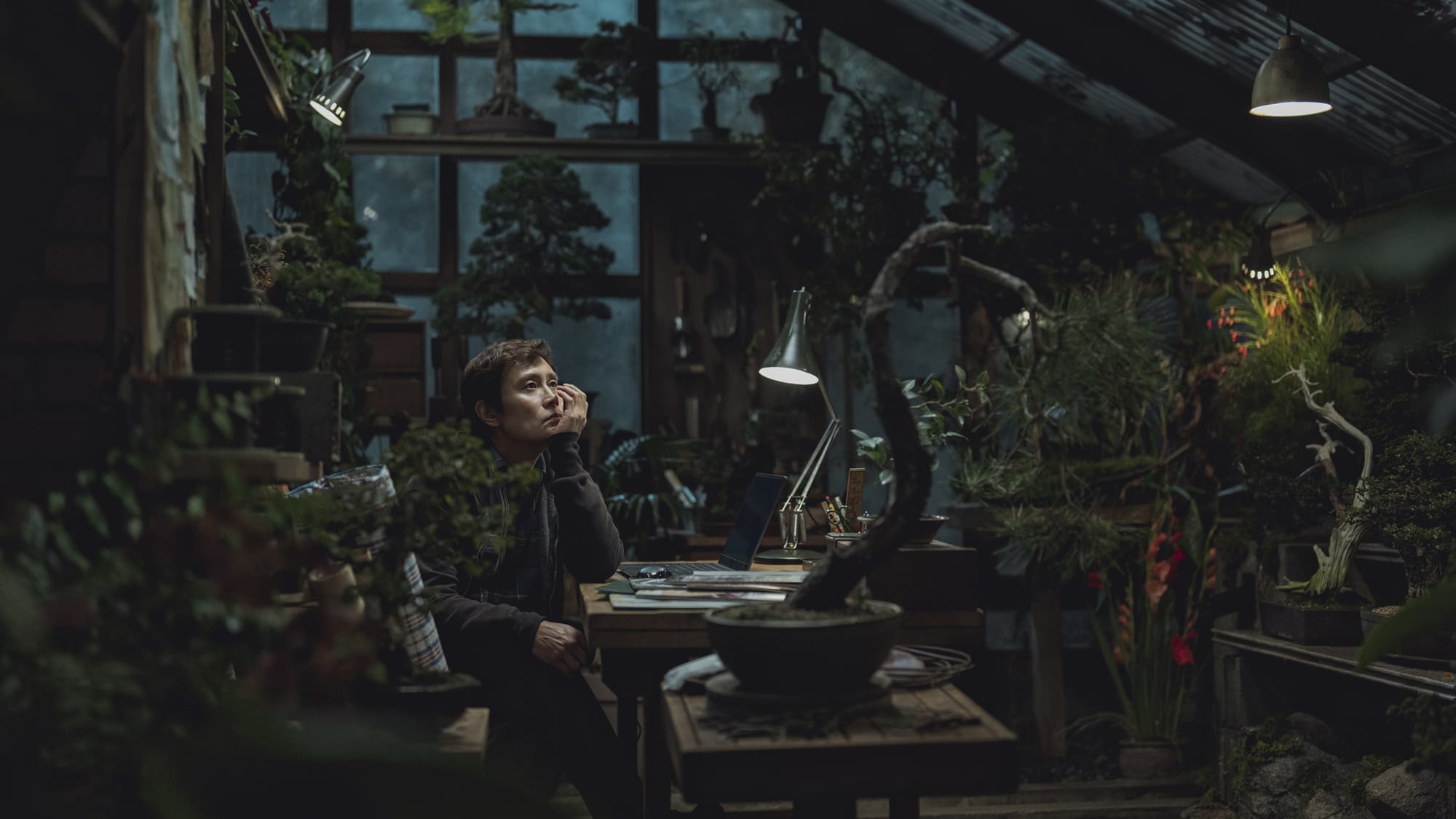
In perfect harmony with Cloud in terms of resolutely bleak screwball narratives about the sticky nature of late stage capitalism, particularly in regard to the ways that the looming threat of technology slowly strips us of our humanity. PCW's relentless formal trickery and heightened sense of artifice create an environment as farce; an immaculately pruned bonsai created by forced design where nothing can bend, ready to snap at the slightest tug. The ultimate endgame result of capitalism is a world where everyone's projected self-image is one entirely connected to their labor, creating a working class all fighting to get one over on each other. If the system is blameless because it had no other choice, why shouldn't you be blameless for making the same decisions? Eventually it all leaves you so desperate that the idea of rising above it all, or even settling for something different isn't a consideration. All you have to do is be the only one left to watch over a space devoid of humanity, lonelier than ever. The artificial finally eating up the last vestiges of an analog world. Chewed up, spit out. No other choice. –VS
Seattle Film Critics Society Nominee for Best International Picture.
10: Cloud
dir. Kiyoshi Kurosawa
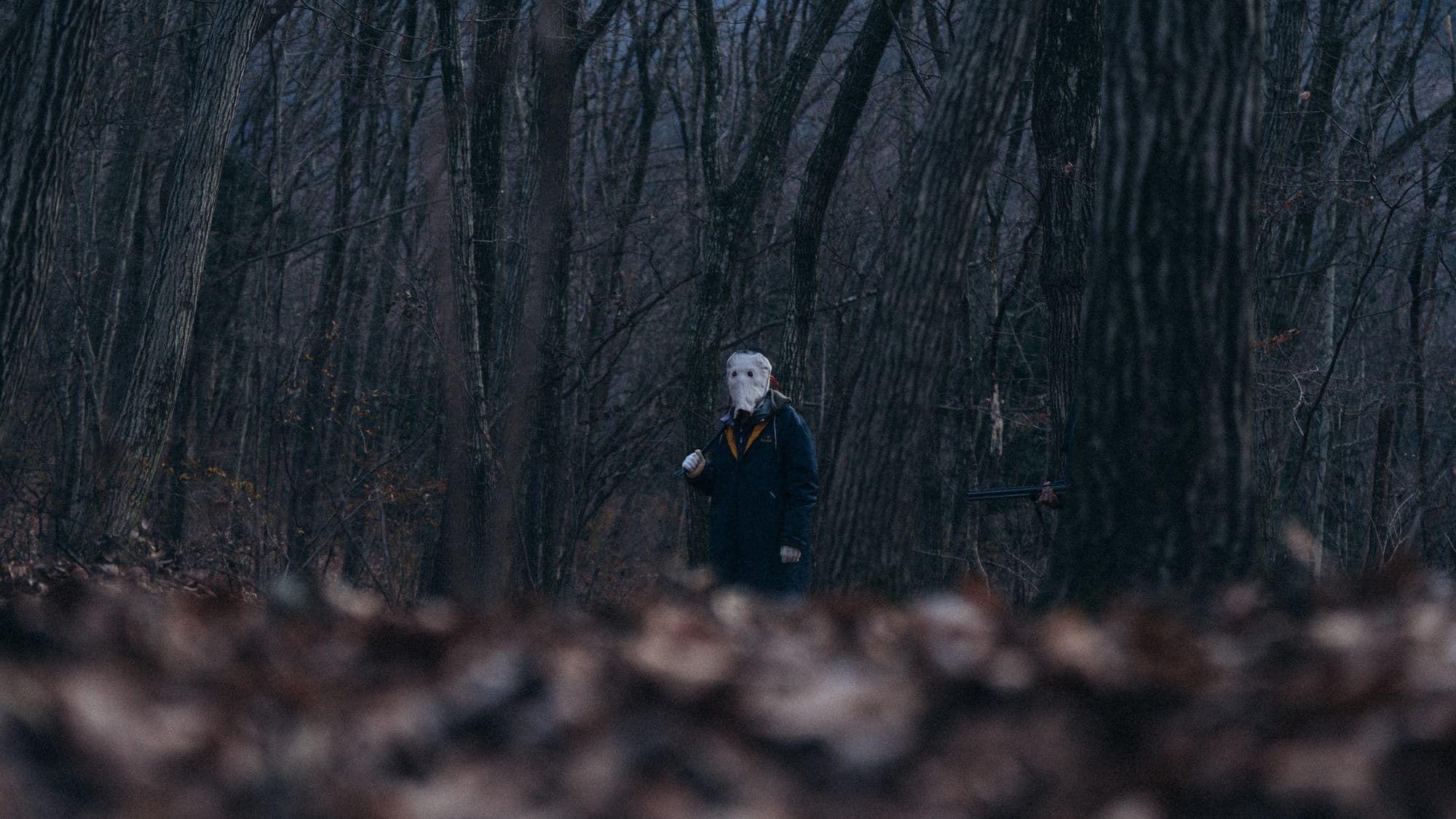
Reframes Kurosawa's scattered fascinations through an icy contemporary lens, blending ideas he's been toying with for decades into a sensational powder keg of impending violence. The easy connection here is the disaffected loneliness depicted in Pulse, now translated to a modern image of how the internet isolates and radicalizes, the way our frustrations are so easily manifested through anonymity, the way that the churning gears of capital consume and consume until the angry and the desperate have nothing left to lose. But Cloud also maintains shades of Kurosawa's whole catalogue, the infectious violence of Cure, the mournful domestic suffering of Retribution, the illusory social structures of Creepy, the collective ego death and light tinge of magical realism of Charisma. The angle that feels so refreshingly novel here is the grim, surrealist comedy, the way that Kurosawa approaches each moment with a wry, cynical bite, dredging laughs from the disaffected inanity of it all. This is a film of irredeemable characters, jumping to commit their next act of blind violence if they aren't busy fleecing someone else in search of their next payday. The world swirls and churns around every penny that can be flipped and profited off of, transactional existence taken to the logical extreme of anonymous financial ruin to tangible physical violence. Search for the entrance to hell all you want – you're already living there. –VS
9: The Mastermind
dir. Kelly Reichardt
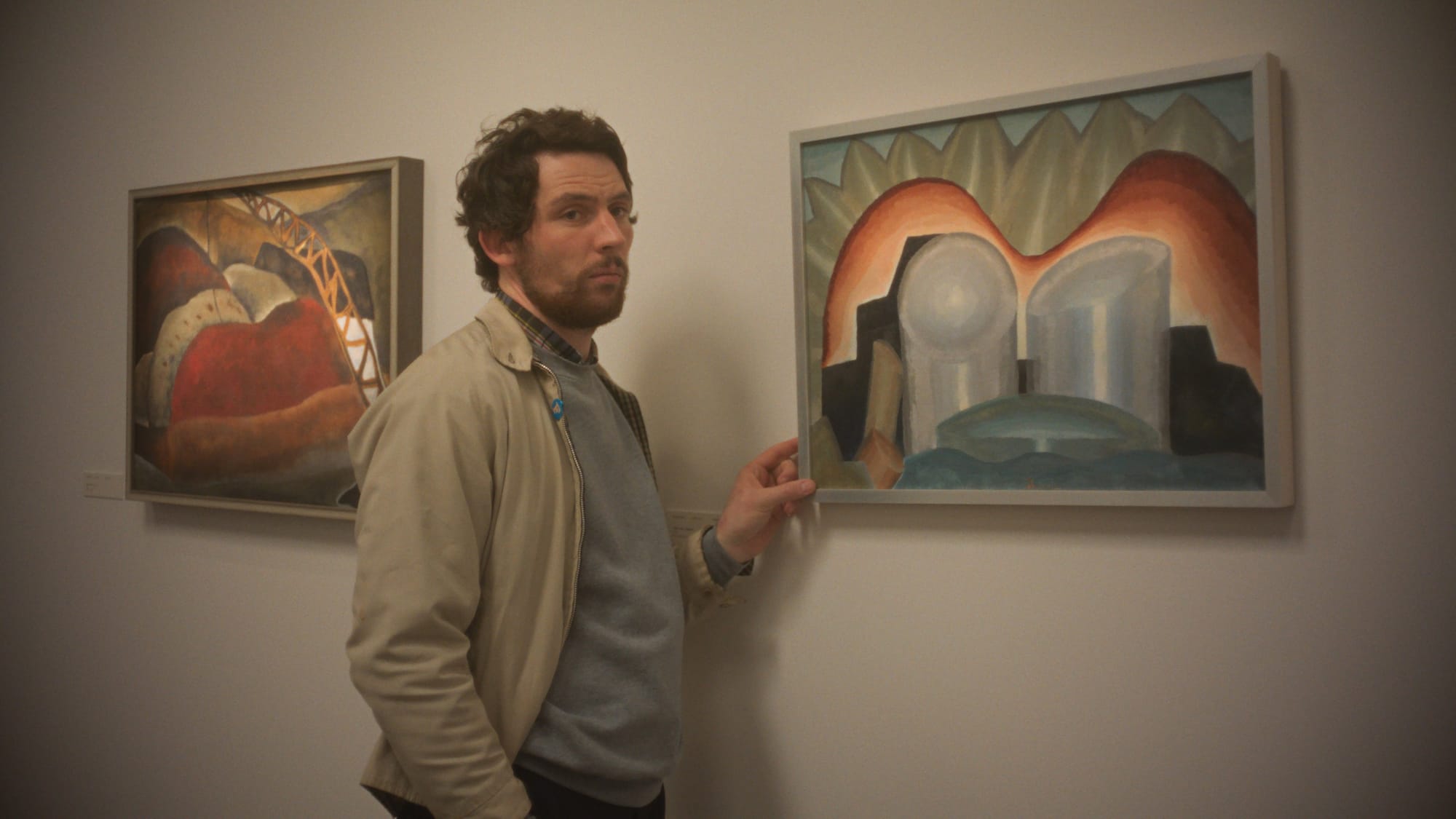
A heist movie in name only, chiefly an atmosphere piece about a listless spiritual drifter who cannot place himself within the shifting landscape of American capitalism. This also makes him perfectly emblematic of the American attitude, self-centered and insular in a way that creates a conscious disconnect between himself and the spaces he moves through, taking advantage of the middle class white privilege that offers him every opportunity to execute a daylight art heist and expect to face no consequences. Accompanied by a beautiful, lilting jazz score and good sweaters. Everything movies should be. –VS
Seattle Film Critics Society nominee for Best Youth Performance (Jasper Thompson).
8: It Was Just An Accident
dir. Jafar Panahi
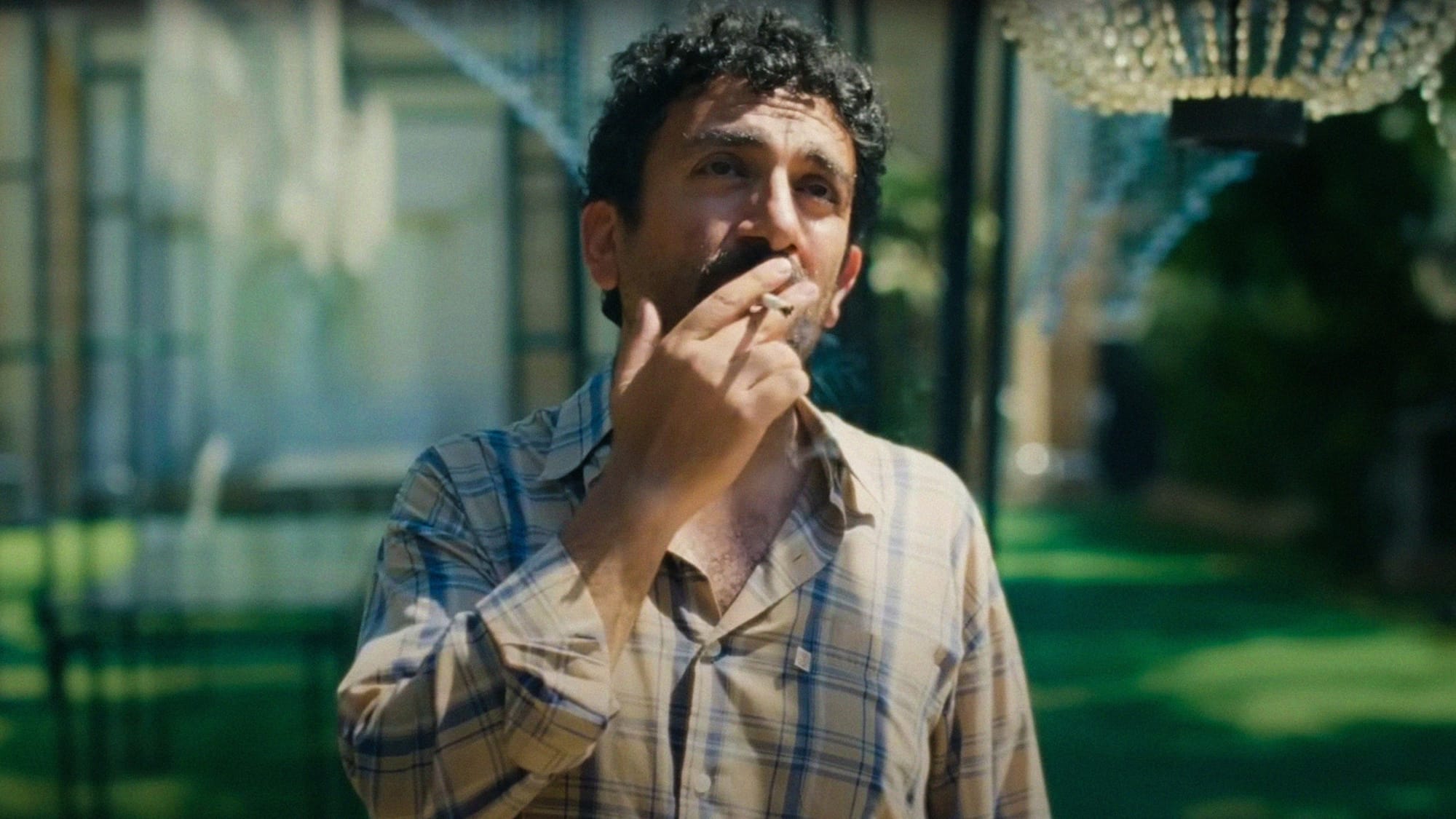
The examination of a system designed to push everyone underwater, to kill the spirit of both the sympathetic and the oppressed until mindless, broken zombies wander the streets and corruption becomes routine. The perspectives of revenge and how to effectively find justice against violence without perpetuating a cycle of it; searching for a line between mercy, rage, grief, and vengeance. Yet somehow within a blisteringly angry and upsetting morality play about state sanctioned violence and the people it leaves scarred, Panahi manages to play it all with a light touch, centering primarily on the connection and humanity of the former prisoners who come together in an attempt to identify their captor, and the ways they ideologically differ in their search for justice. The finale is Panahi at his best, setting the stage for a straightforward response to the questions he's posed, only to instead let it all pause uncomfortably, a haunting specter of uncertainty. Who is to blame when the working class become stray dogs, abandoned and crushed on the side of the road? How do we respond? –VS
Seattle Film Critics Society Winner for Best International Picture.
7: Sentimental Value
dir. Joachim Trier
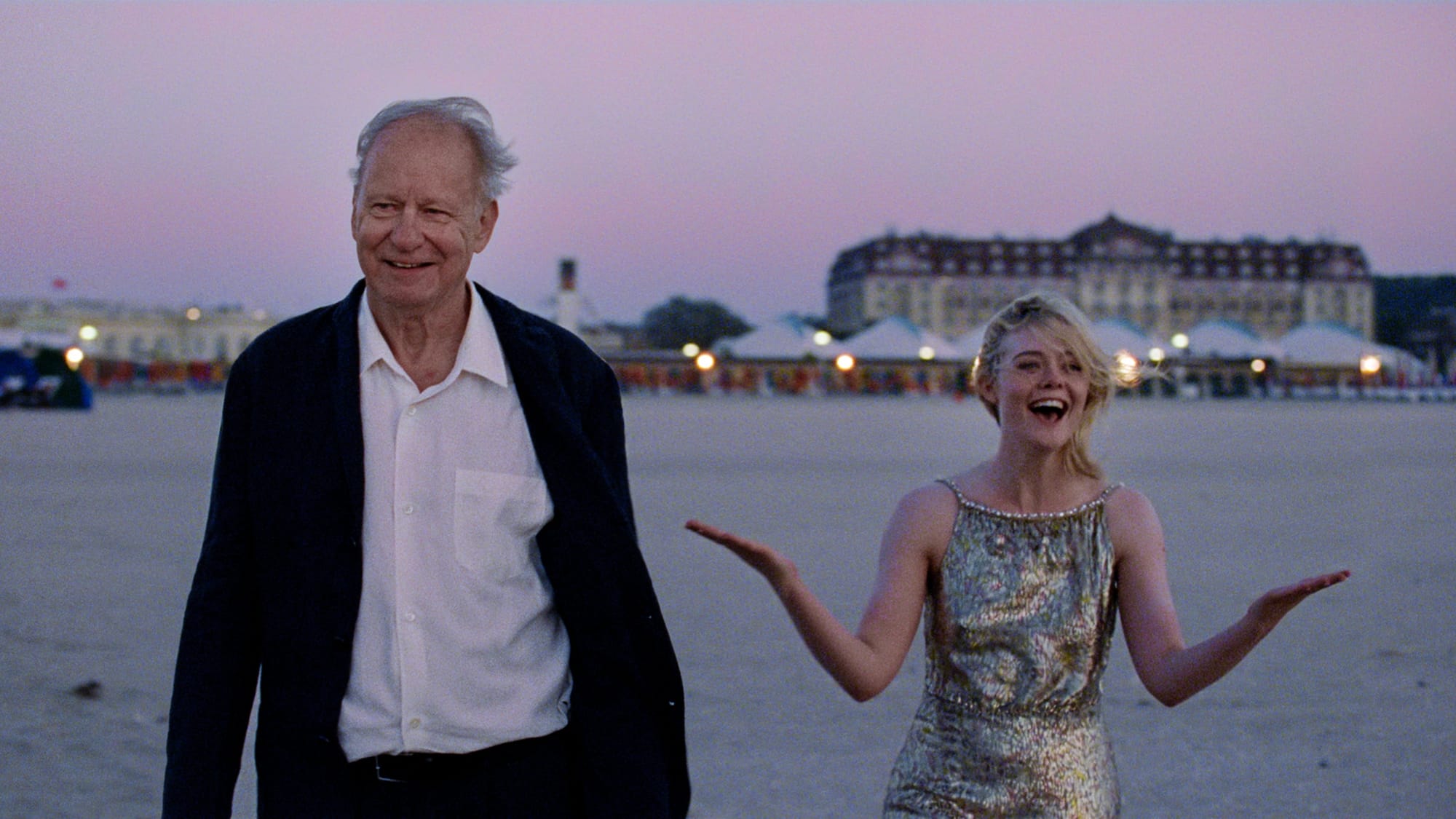
A tender reckoning of existence; of the distances between us, of the memories that form us, and of the trauma that erodes us. A film of negative spaces, the dust drifting between words left unsaid. A home as a vault of persona, the ways we leave ourselves in the spaces we inhabit and how it informs the space itself over time, becoming a structure of unresolved pain that seems to exist perpetually in the split second before everything collapses. Art as expression in a way that strips it of every needless externality, because the only thing that matters is the way you find yourself within it, a bridge across the erosion and the unspoken, a true understanding lost somewhere in the ambiguous mists of process. Cinema as a liminal space where the past, the present, and the future blend into something ethereal and limitless, allowing us to embody and access a part of us that couldn't exist anywhere else. The warmth of the film, the texture of the grain, the soul of the words. There's mercy in that negative space. –VS
Seattle Film Critics Society Nominee for Best International Picture.
6: Marty Supreme
dir. Josh Safdie
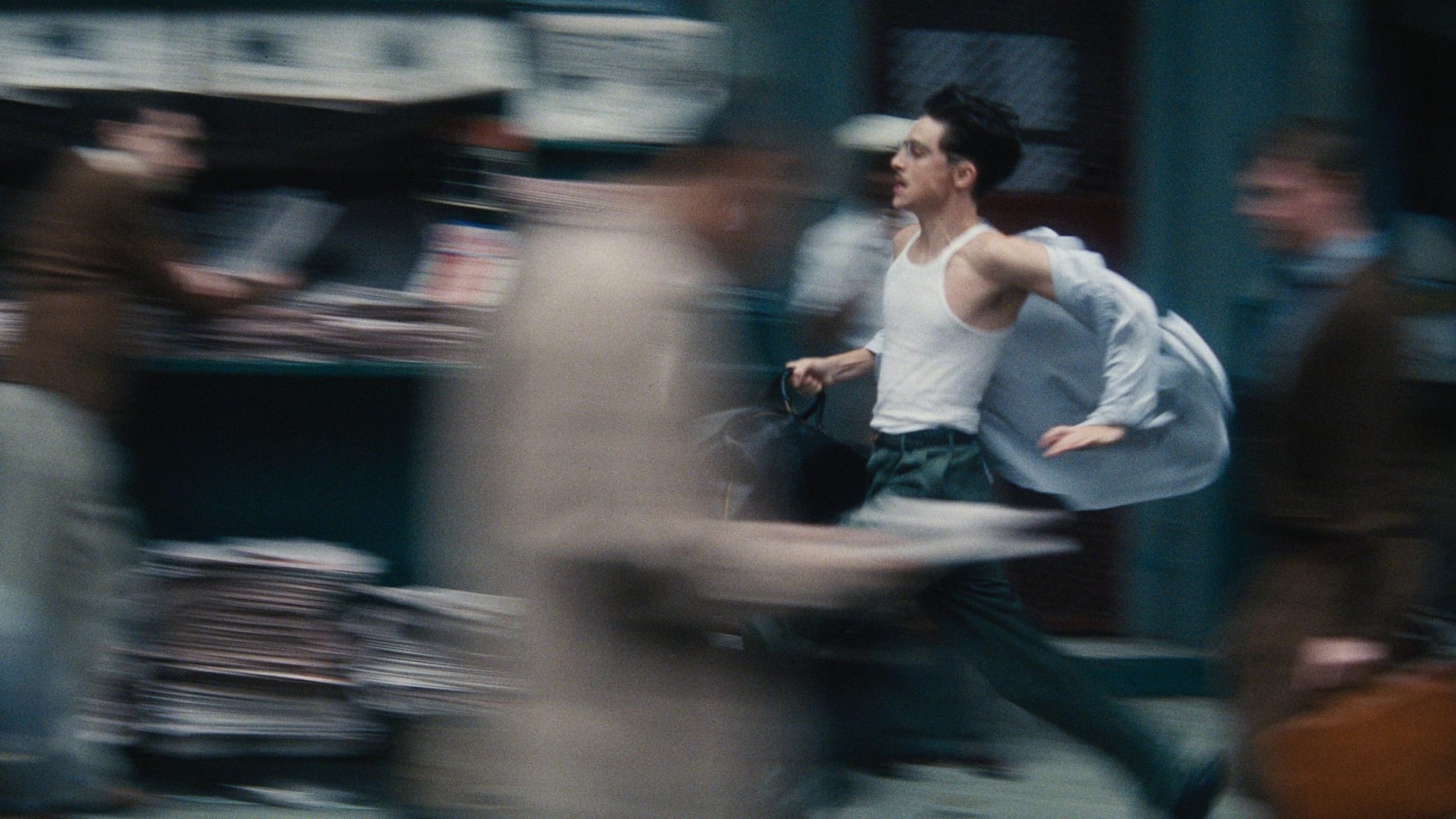
Much like Good Time's shaggy, ultraviolet LSD-laced maniac Connie Nikas or Uncut Gems' blood diamond peddling gambling addict Howard Ratner, Marty Supreme's Marty Mauser (Timothée Chalamet) is a shrewd, feverish dreamer who will stop at nothing to achieve what he believes to be his destiny. Marty is far more unassuming than Connie or Howard, at first existing under the familiar auspices of the traditional sports film narrative arc, an upstart with a dream and the determination to make it happen. The first Safdie period piece still takes place in the grimy streets of New York City but has been transposed back to post-war America, a landscape marred by a blend of tactile trauma and galvanizing nationalism. Pitching the protagonist of a thrilling sports drama as the world's next great ping pong player certainly holds an inherent comedic weight to it, but by setting the stage in an era where the sport was still rising to prominence in America and largely existed in dusty pool halls or on the outskirts of a bowling alley, it starts feeling closer to The Color of Money, where the real sport is the hustle of leveraging skill into a quick buck. –VS
5: Reflection in a Dead Diamond
dir. Hélène Cattet & Bruno Forzani
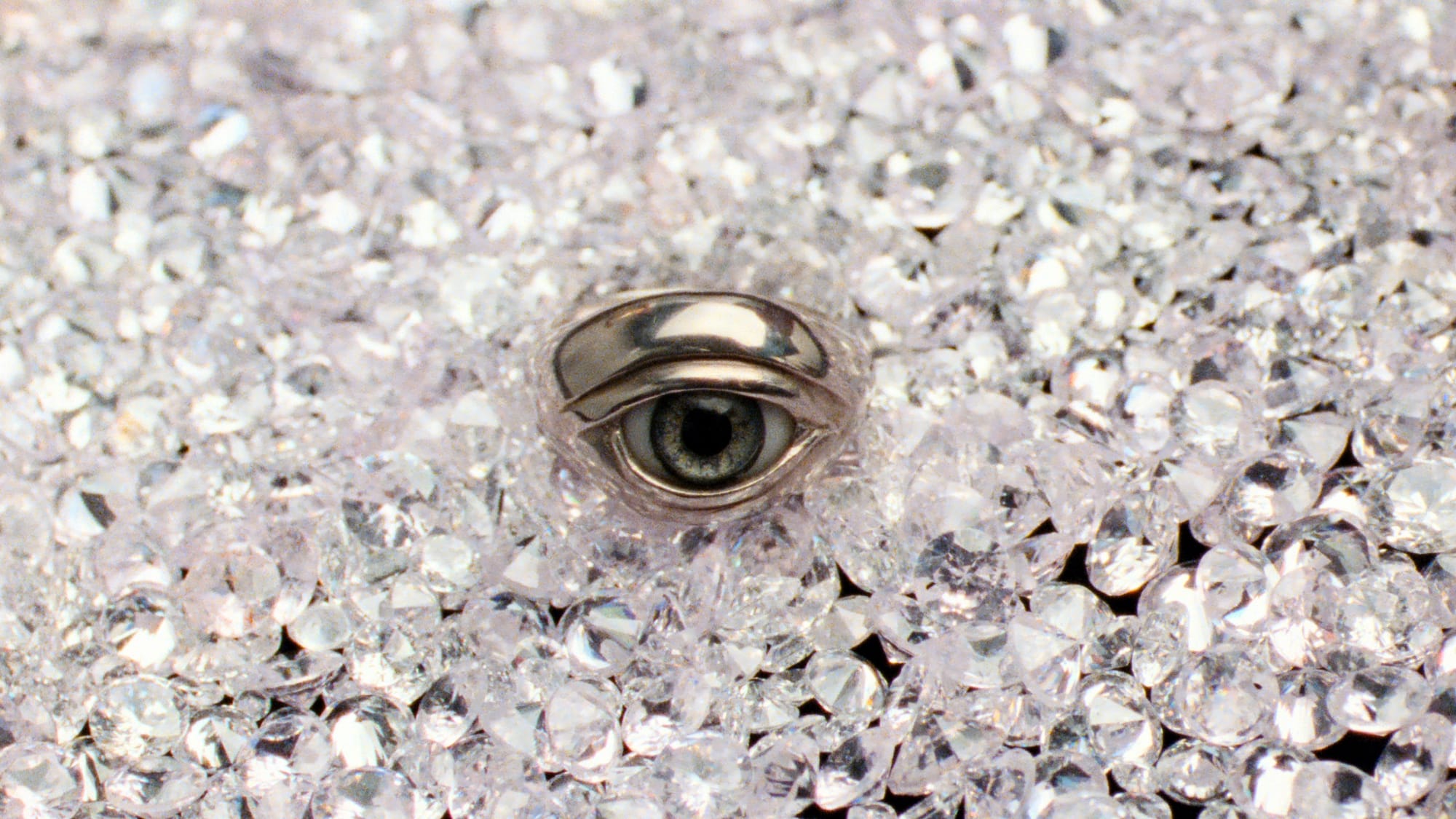
Life as an extended dream splattered across the subconscious, a collection of images on the precipice of death. Time folded in on itself, flattened beyond comprehension. Feverish, acid-washed synesthesia of blood and leather, refracted through a diamond prism. Cinema overlaid and obfuscated, celluloid melting in the heat, warped projections splashing over flesh, forged identities creating impossible realities. Pure expressionist Eurospy eroticism languishing in its lurid atmosphere, a mercurial blender of genre auteurism that's something like if Jess Franco and Mario Bava made a Bond film. –VS
Seattle Film Critics Society Nominee for Best Editing.
4: Sinners
dir. Ryan Coogler
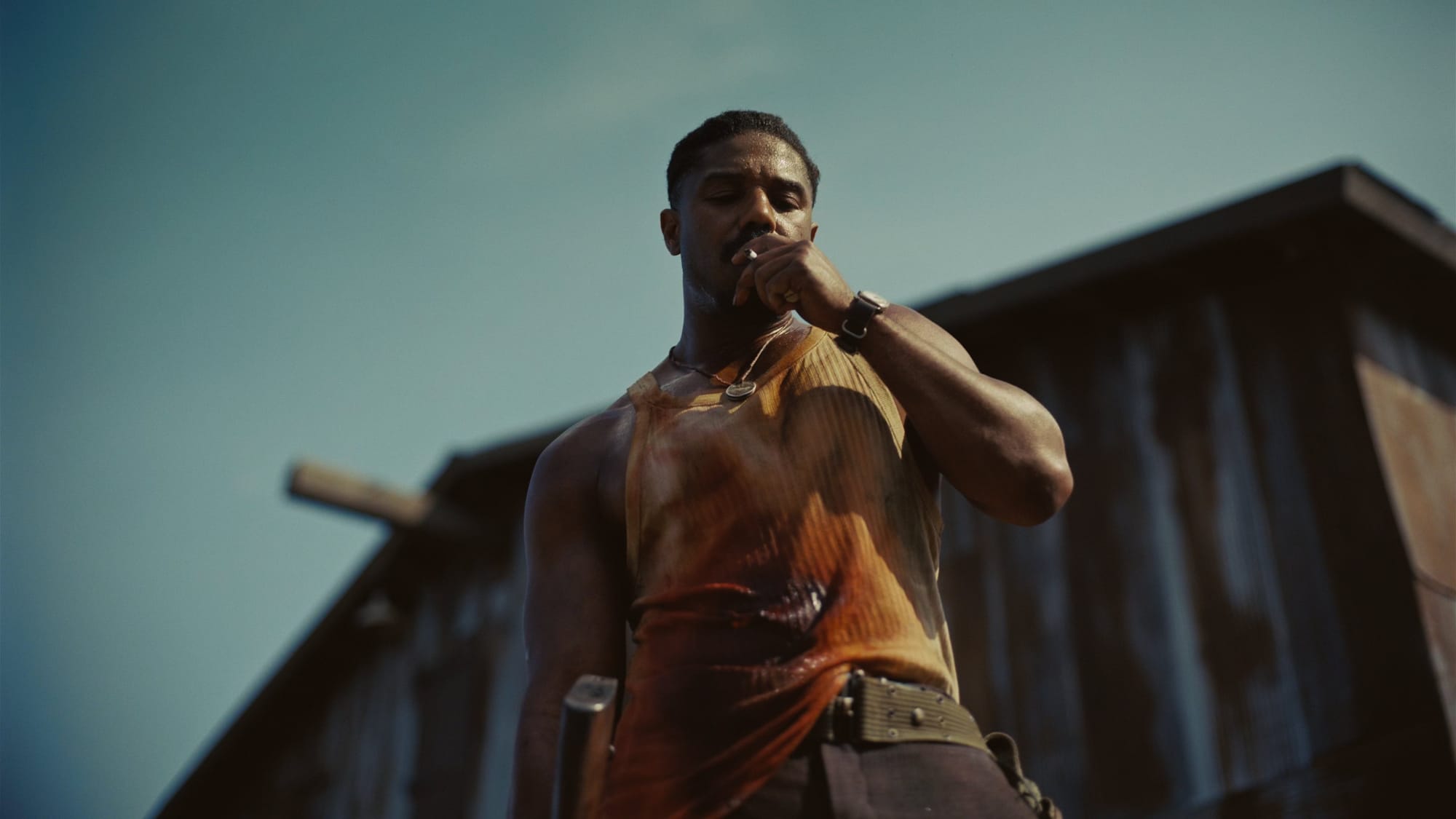
The story is almost always the same, interesting director gets pulled into blockbuster cinema under the argument that this will enable them to make something even more interesting in the future. Only that almost never happens, the franchise slop gets sloppier and the director that had a vision was actually just a naïve set of hands to be set to work.
Sinners is the antidote to this. Not only has Coogler kept interesting in the franchise space (let’s ignore Wakanda Forevere), he’s come out the other side enabled to make something big and bold. Sinners is a terrific film that plays with complex and compelling themes while remaining a crowd please. Terrific genre filmmaking and astute politics. A film that gives you hope. –SG
Seattle Film Critics Society winner for Best Supporting Actress (Wunmi Mosaku) and Best Cinematography. Nominee for Best Picture, Best Director, Best Ensemble, Best Screenplay, Best Costume Design, Best Editing, Best Score, Best Production Design, Best Action Choreography, Best Visual Effects, Best Lead Actor (Michael B. Jordan), and Best Villain (Remmick as played by Jack O'Connell).
3: Transcending Dimensions
dir. Toshiaki Toyoda
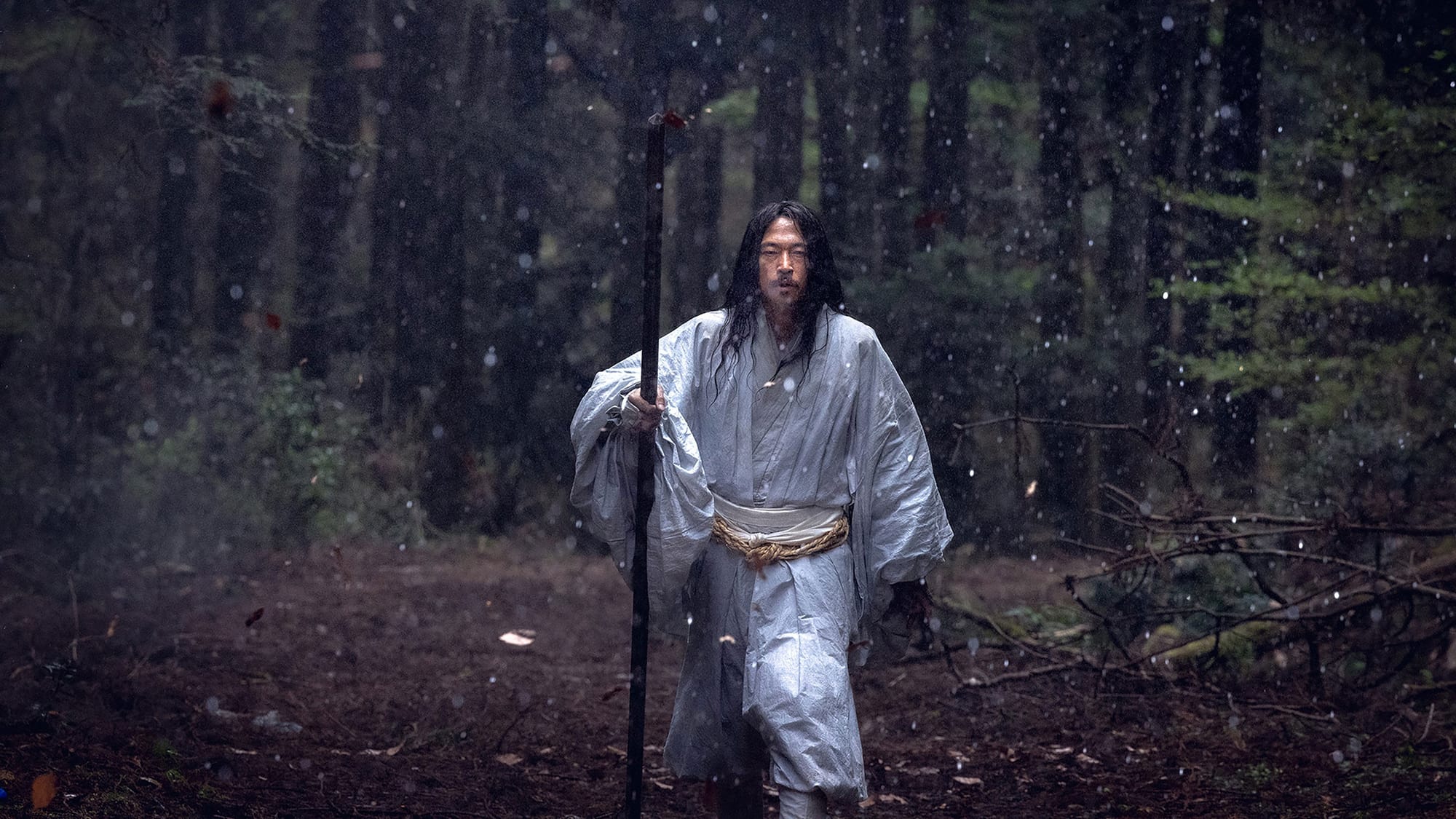
An enigmatic religious figure asks his audience to control their own narratives, to define the paths they desire to walk rather than seek divine instruction for finding inner peace. Release yourself, your body, your mind, to the earth, and let it take hold of you, allowing yourself to be taken to the furthest reaches of the universe. Obliterate your simplistic desires and seek enlightenment. Toyoda then obliterates cinema and his audience with an astonishing sequence that shatters the film's once grounded reality, harshly rejecting any semblance of narrative simplicity and embracing impermanence, transcending beyond the rules of filmic language and splattering the last several decades of his development as an artist onto a spiraling canvas that unfolds with a furor unlike anything else. –VS
2: One Battle After Another
dir. Paul Thomas Anderson
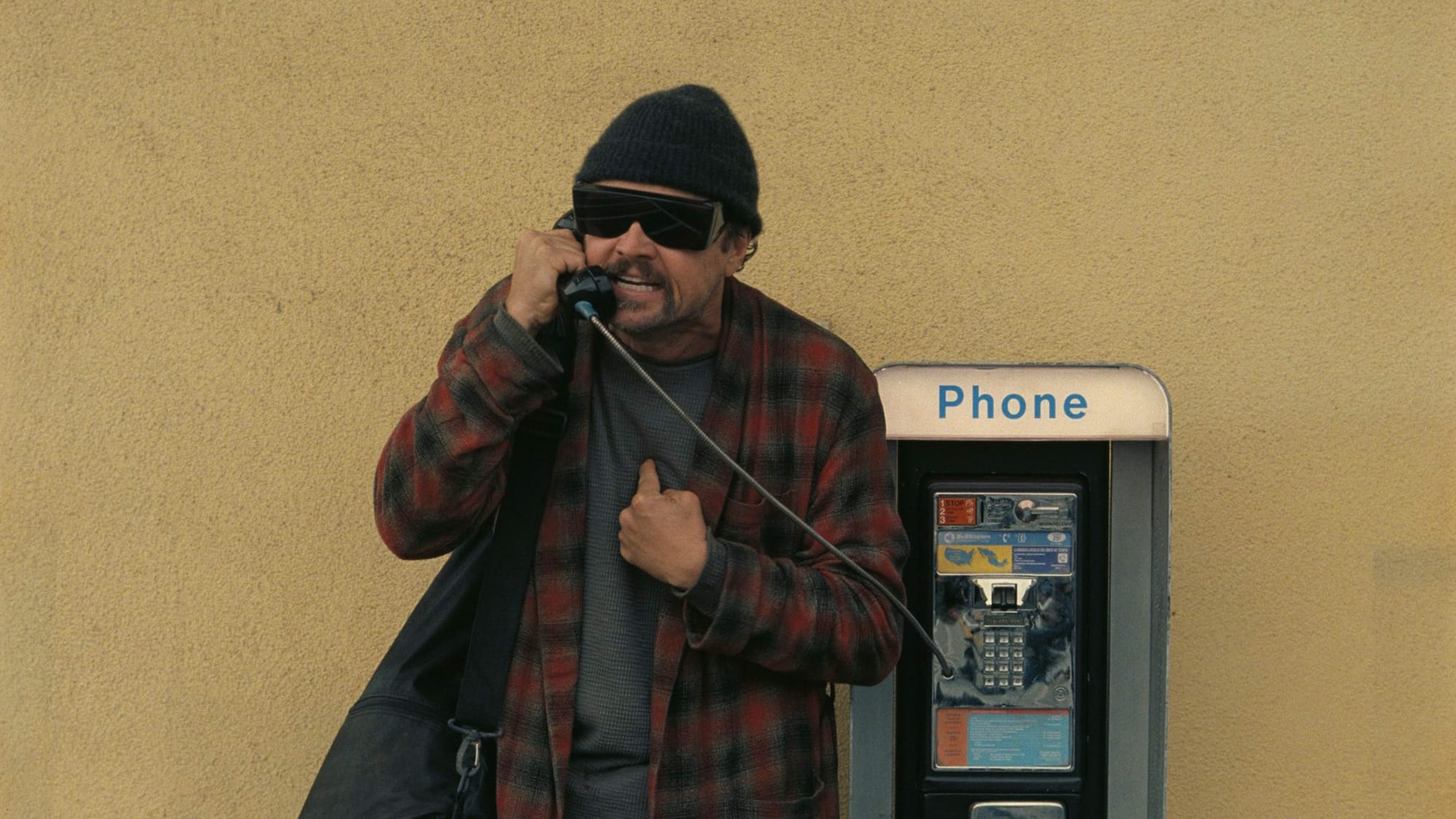
To the right audience, much of One Battle After Another may be reflexively obvious, at least to the kind of people whose revolutionary ideals already understand the virulent depravity of modern conservatism – but this is also why it is exactly the kind of cinema we desperately need. The kind of cinema that is constructed out of empathy for everyone with the desire to resist, the kind of cinema that is built with the framework that not only do the people outnumber their oppressors, but that it's exactly what they're afraid of. Insecurities built on a fragile house that relies on keeping everyone fighting each other instead of them, because once people begin to believe in an ability to work together for a better future, the revolution can be ignited. The beauty of One Battle After Another is that it isn't about a father going through hell to rescue his daughter – it's about a father who reaches the end of a fevered, hellish journey only to realize that he didn't affect anything at all, and that his daughter was more than capable of fighting back against the reality of her world all the same. Viva la revolución. –VS
Seattle Film Critics Society winner for Best Picture, Best Director, Best Lead Actor (Leonardo DiCaprio), Best Supporting Actor (Sean Penn), Best Ensemble, Best Editing, Best Screenplay, and Best Original Score. Nominee for Best Cinematography, Best Supporting Actor (Benicio del Toro), and Best Supporting Actress (Teyana Taylor).
1: Resurrection
dir. Bi Gan
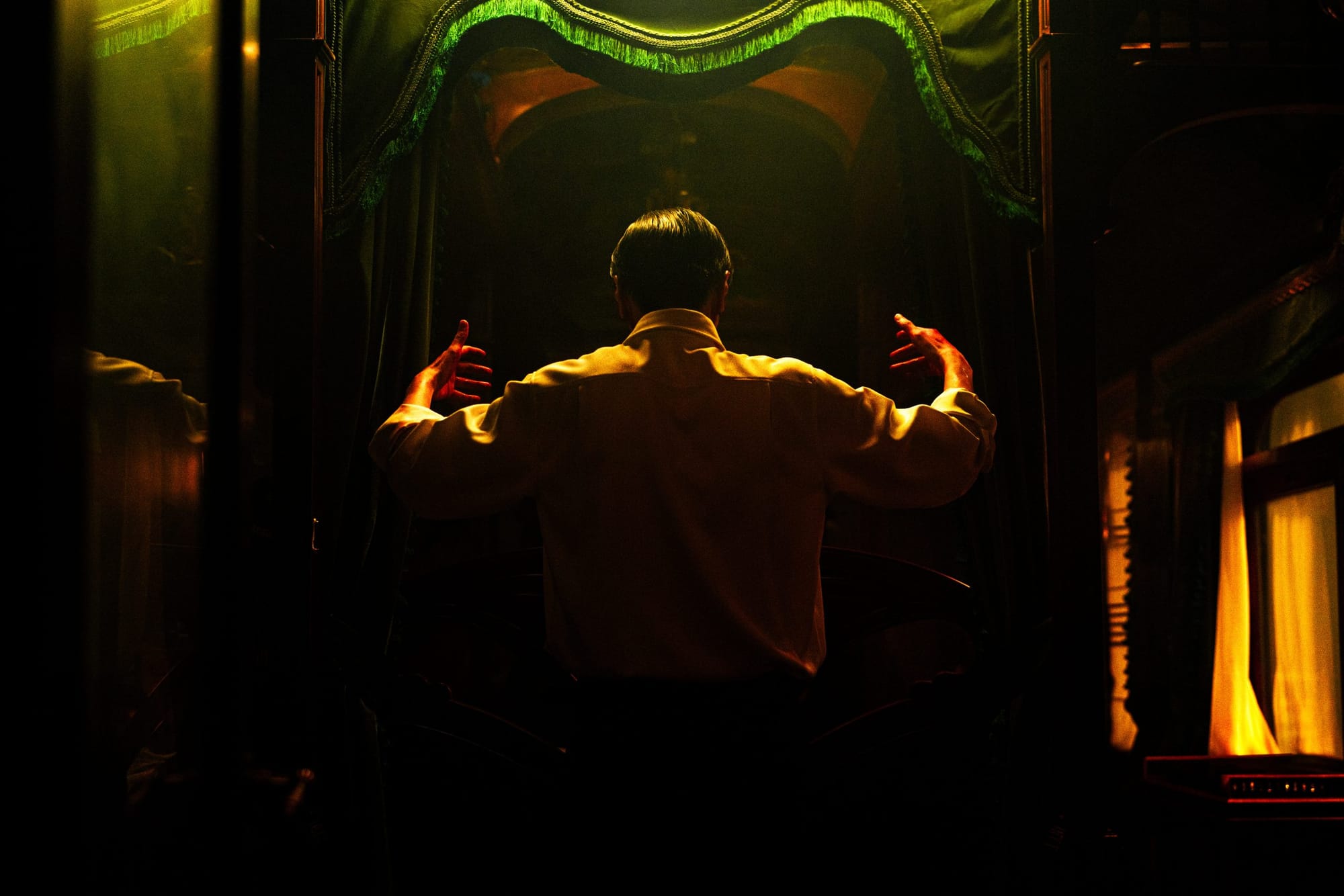
Man is a movie camera. Unearthing a dead language and dissecting its intricacies, reinvention and rebirth existing in tandem with death and corrosion. Bi Gan's cinema has always existed in a liminal space between consciousness, exhuming something unspoken from the recesses of our dreams, fervently displayed imagery that isn't concerned with formalism but instead pure expression. Lithe, gossamer strands of existence woven into the history of cinema as humanity's repository of an eternal search for understanding. Communication by way of illusion. Our eyes are yet to open, and thus we watch the world through the mirror of our self image, shattered and refracted across the landscape, both frozen in time and yet flowing freely through it. We are nothing and we are everything, in search of ourselves and trapped in the vortex of blood and language. May we find ourselves one day in these hallowed halls, up on the silver screen, constructed and melted into the ether in the same instant.
Seattle Film Critics Society Nominee for Best Production Design.
Comments ()