
Possible Love: Do You Still Dream About Tomorrow?
The subject matter of Lee Chang-dong's oeuvre is often pointedly challenging, prodding at the fabric of society by way of interrogating the things we most frequently would rather not face. He doesn't maintain the same blunt pop cinema sensibilities as his contemporaries, but the naturalistic weaving of his protagonists against the world they have to reconcile with has resulted in a series of devastating masterpieces that ignite the embers of your mind, leaving indelible marks where you constantly turn over every lingering word and rich shot composition in an attempt to process the world he presents.
Possible Love is no different in its lasting impression but in process it feels like his quietest film to date, a seemingly unassuming portrait of the lives of two couples intersecting and the thorny results born out of it, most importantly the impossible divide between the working class and the increasingly distant wealth above them. Certainly, on its face it approaches a subject matter not entirely dissimilar from last year's No Other Choice, concerning a factory worker made redundant as a result of corporate restructuring, how a world becoming more and more focused on pure profit is rapidly abandoning its laborers with little to no regard for their humanity, and what it does to a person's psyche to be forcibly severed from the work their whole life has been built around. Not to be taken as criticism of the sublime visual splendor and wry, cynical humor of Park Chan-wook's approach, Lee takes the core not to its most ludicrous extremes but to its most dizzyingly and shatteringly realistic ends, a searing portrait of what it means to be human and to attempt to have a capacity for love when the world is trying so hard to leave you behind.
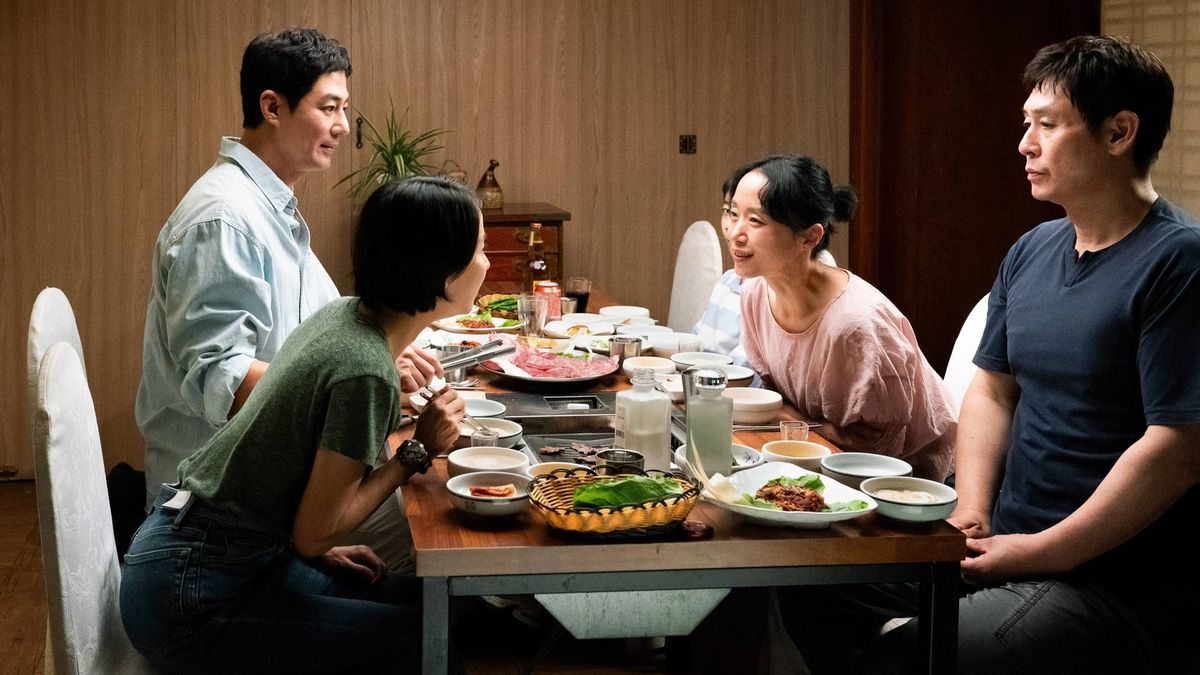
Of course, it's not so simple to even say that this is a film about a laid-off laborer, as it is just as much about his wife, the affluent documentarian who becomes fascinated by their story, and her husband, a vastly wealthy enigma who luxuriates in the fact that his lifestyle "isn't about the money." Despite turning into something far removed from its original conception as a remake of Krzysztof Kieślowski's Dekalog 10, it still opens with the text of the tenth commandment, and the entire film seems to swirl delicately around the murky waters of coveting thy neighbor's goods. Part of what makes it so murky is that it never becomes abundantly clear who wants what – or maybe more importantly, who needs what. There are material desires not entirely different from the desires of that of Jong-su and Hae-mi from Lee (and screenplay collaborator Oh Jung-mi)'s previous film Burning, a yearning for the designer handbags and sparkling blouses that a certain kind of casual wealth allows, but the precision with which this scalpel of a screenplay cuts goes far deeper than those kinds of simple pleasures.
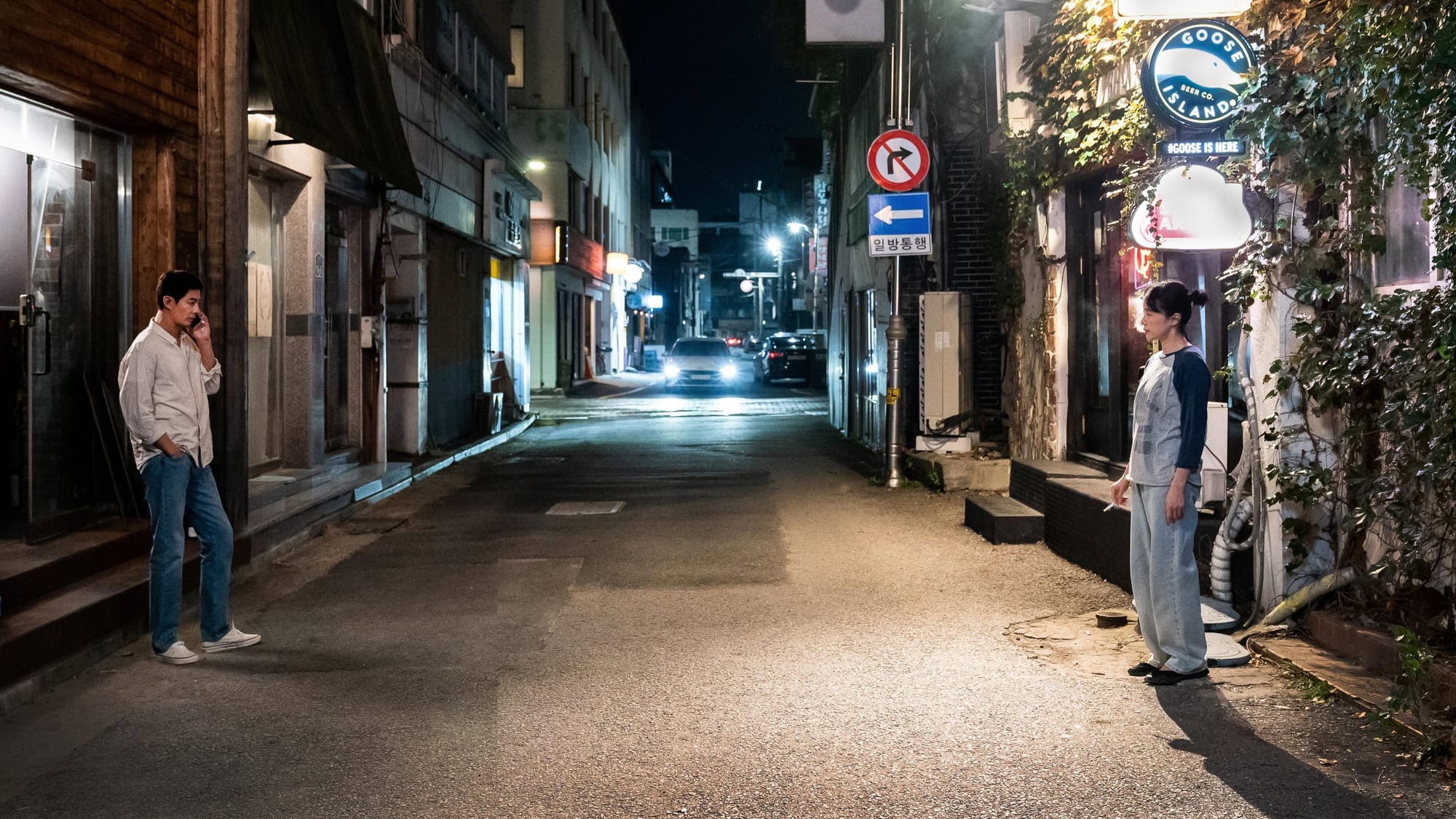
Every word here builds towards a conclusion that is almost painfully naturalistic, as heartbreaking in its candor as it is beautiful in its empathy towards its downtrodden working-class characters. Burning was explosive in its conclusion, a thrilling mystery where the other shoe is constantly threatening to drop over its roiling cauldron of class resentment, but Possible Love simmers, stewing in that same resentment but instead toying with your expectations of its conclusion. Every moment serves to carve through the class divide at its core in a way that begs for the kind of thrillingly violent twists that films like No Other Choice or Parasite are full of, but Lee mines a rich vein found in the fact that reality isn't quite so simple. The awareness of this divide is part of what makes the film work so well, both in practice and in the way it continues to wash over you after the credits roll. Lee knows how to structure everything just so, so that by the end the house of cards you're left staring at feels like its only inevitable conclusion is to come crashing down in spectacular fashion.
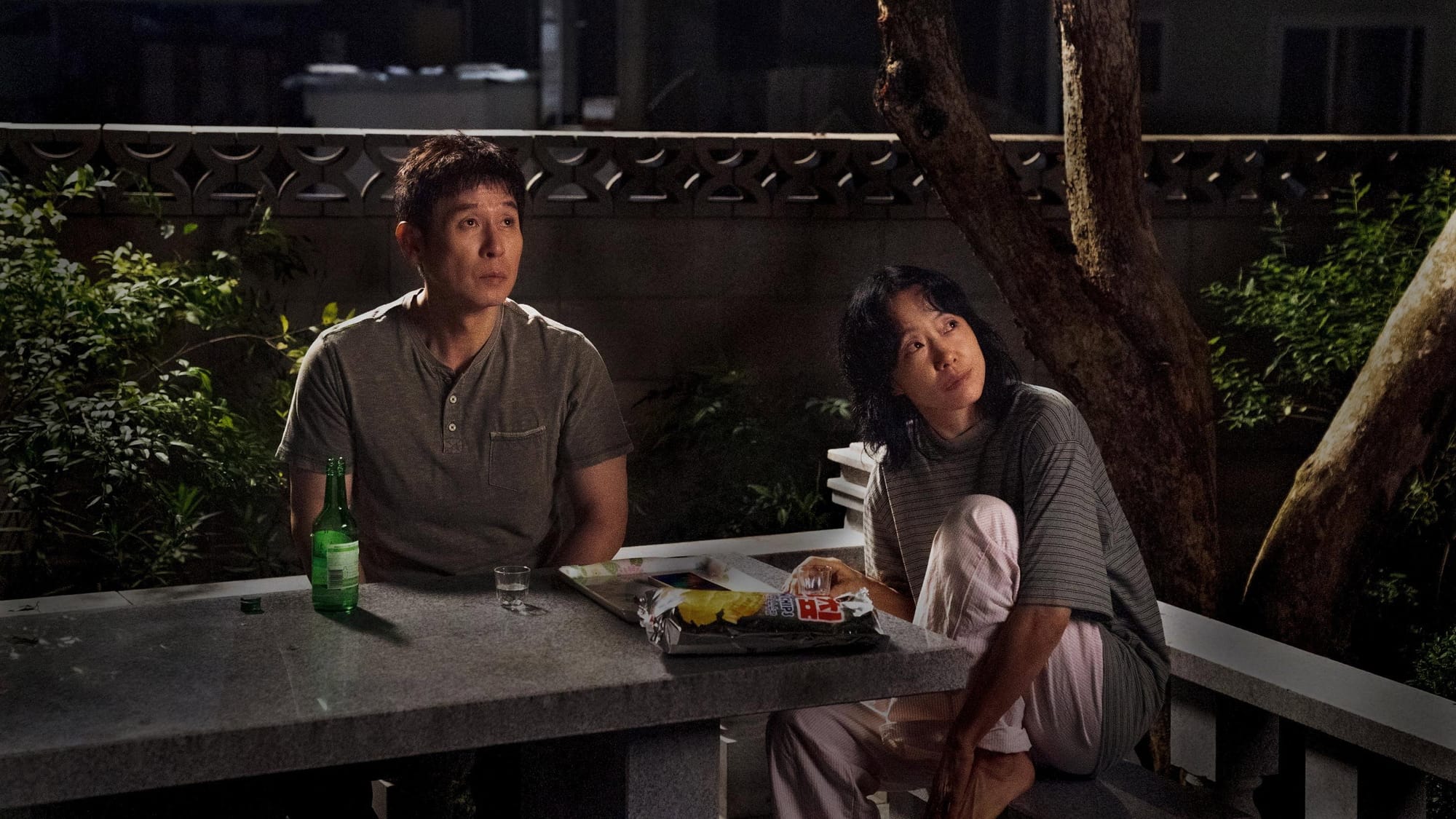
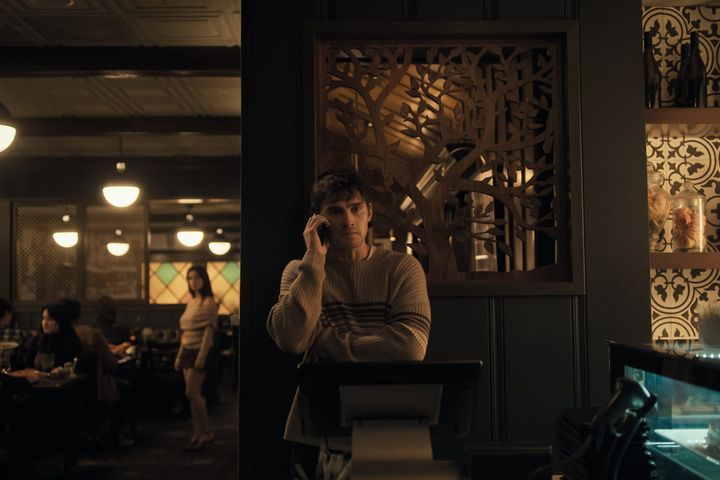
The world, however, is always acting as a reaction to violence rather than existing in anticipation of it. Protagonist Ho-seok might be known for his history of impassioned, violent outbursts as a young and brash man, but he's been left a desolate husk following the police crackdown of a worker's strike that left him hospitalized. He can barely stand to speak his mind about the state of his rudderless existence, much less plot the kind of meteoric rise in status orchestrated by the Kims in Parasite or take to dismembering the competition like Man-su in No Other Choice. After refusing to participate in the therapy sessions put on by the other laid-off workers, and now remaining silent at the idea of giving an interview in the documentary being made about his family, Ho-seok may not serve as any kind of delirious wish fulfilment, but his bleak, enervated state certainly speaks to a world that feels increasingly hopeless to anyone who hasn't already found their way into the ranks of the elite.
It gives the impression of being all the more insulting for perfectly curated dilettante Ye-ji to try and document his family's destitution out of some self-interested desire to depict the downfall of Korea's working class from her position high above it; as if the hopelessness wasn't apparent enough after the churning gears of capital pushed investors to offload as many assets and employees as possible so they could sell a company to Americans for a payday, after the carefully organized sit-in strike and pleas to save worker's livelihoods and families were only met with state sanctioned suppression and a subsequent rundown emptiness. Ye-ji's claim to journalistic integrity seems to start and stop with her ability to petition for grants to fund her passion projects, but her husband's wealth calls into question the necessity of this sort of performative act when that money could be going to someone else. She may not be entitled to her husband's assets in a macro sense, but the fact that his job seems to largely consist of casual phone calls and e-mails over breakfast to hash out billion dollar deals certainly entitles her to a host of luxuries that the average filmmaker doesn't have.
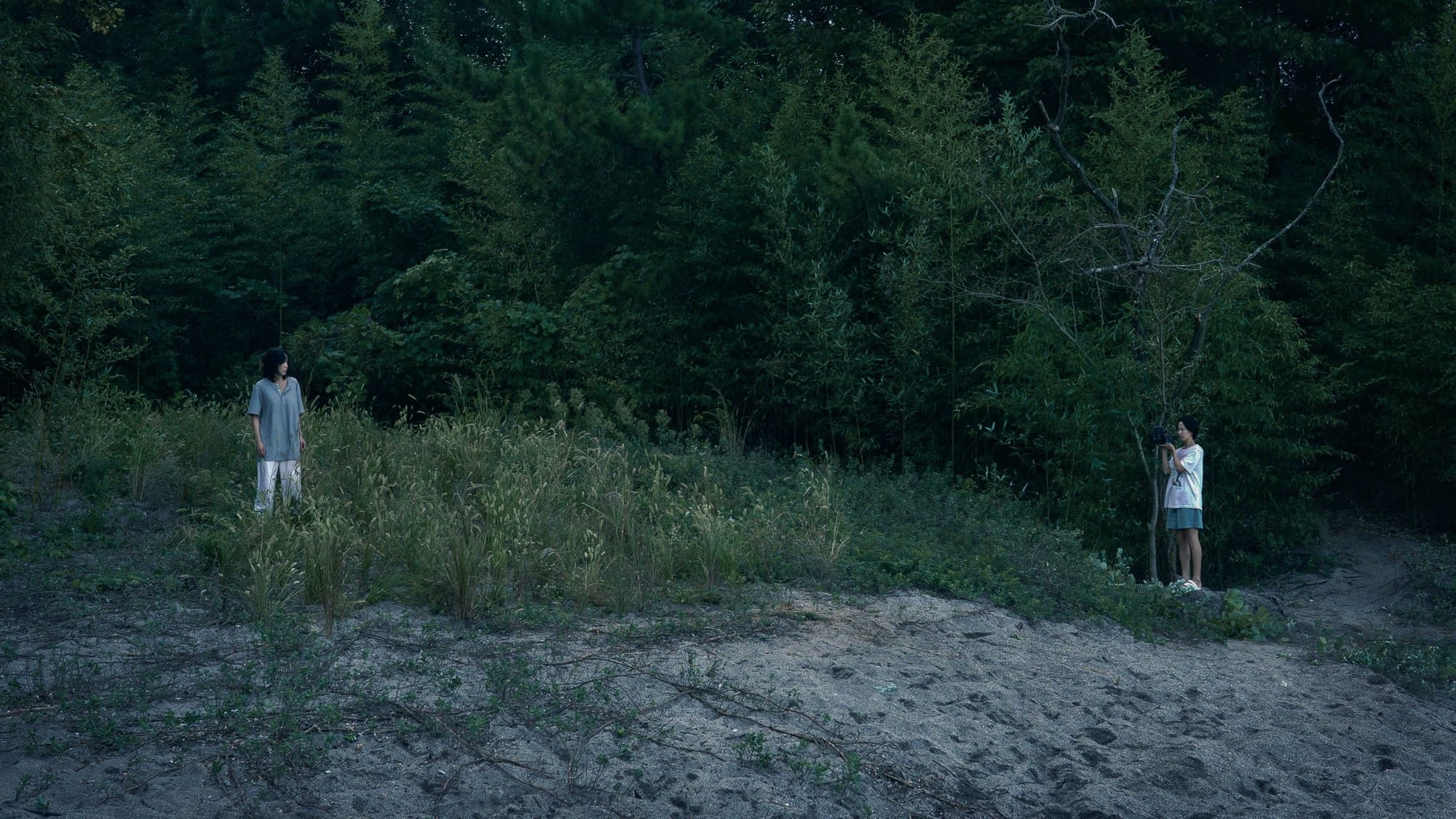
It's not that Ye-ji's halfhearted attempt at empathetic filmmaking is completely meritless, or that the country's laborers don't deserve a form of due attention as they are slowly erased by investors, quarterly earning demands, and algorithms, but her complete inability to understand her position combined with her attempts at integrating herself into her subjects' lives for the sake of extracting some form of honesty make for quite a pathetic picture of exploitation. Meanwhile, Ho-seok's wife Mi-ok is so desperate to revitalize the passion of the man she married that she willingly tumbles head over heels into Ye-ji's thorny pit of exploitation, disregarding every awkward moment in the hopes that anything might get her husband to finally acknowledge and process the demons that are so clearly eating away at him. Ho-seok's hesitation is continuously justified by the fact that the documentary as presented is so aimless and hollow, and it is abundantly clear that the documentarian doesn't see the beating heart at the core of the issue she's attempting to dissect; after all, how could she truly understand what they've been through or what they're going through?
As the film approaches what threatens to be some kind of explosive climax after two hours of furtive glances, quiet desire, and pained yearning, it moves from industrial suburbs to Sang-woo's immaculate childhood summer home, a pristine western-style retreat perched above a private inlet with quietly lapping azure waves, a kind of novelistic idyll that Mi-ok can barely comprehend. Every opportunity is afforded here for things to tip over the brink, but what continues to separate this from other films of its ilk is that it doesn't mine any kind of perceived disgust that the wealthy have for the working class below them to generate a violent outburst, instead revealing that the emotional insulation that money provides means they don't have to think about the working class at all, a distance that no amount of physical closeness can bridge. The kind of freedom that money buys can't be borrowed – a sobering realization for Mi-ok and Ho-seok, as the former gets lost in trying to piggyback on the fantasy while the latter finally gets enough distance from his past to open up and collapse into an emotional wreck when he finally lets go of the anger he's been holding onto so tightly.
If love is possible in a world that's reached a zenith of tearing us apart, picking at the scraps of labor value until the populace is left stranded and destitute trying to put the pieces back together, the only option left is to embrace the tangible things that remain. Lee's quiet, understated naturalism here renders out a texturally rich existence, one bereft of fantastical wish fulfillment or violent comeuppance but instead full of a familiar world where the only thing to do in the face of sheer hopelessness is to acknowledge the suffering you've been through and breathe in the freedom of an existence that doesn't rest on the exploitation of everyone around you. The moon shines for us, and we don't need to share that with anyone but each other.
Comments ()