The Social Reckoning: On The Surface Of A Burning World
It is often lamented that Aaron Sorkin and David Fincher's The Social Network lost Best Picture to The King's Speech at the 2011 Academy Awards, but as foolish as that choice may have seemed fifteen years ago, it feels more egregious with every passing year. Of course, the average person couldn't have predicted back then the staggering amount of power Facebook would yield in the coming years, how it would contribute to global moral decay, how social media becoming publicly owned would lend itself to destructive political policy, how it would fertilize the landscape for entire generations of children to grow up with completely warped visions of themselves and the world around them. But the more that world proliferates, the more that Mark Zuckerberg and people like him get up on stage and boast about how their AI companion agent can begin to take over your life and remove any and all humanity from your daily routine, how giving them even more of your personal and financial information definitely won't lead to another global data scandal because they've safeguarded their AI with a second AI, the more the sterile digital atmosphere of The Social Network feels chillingly prescient.
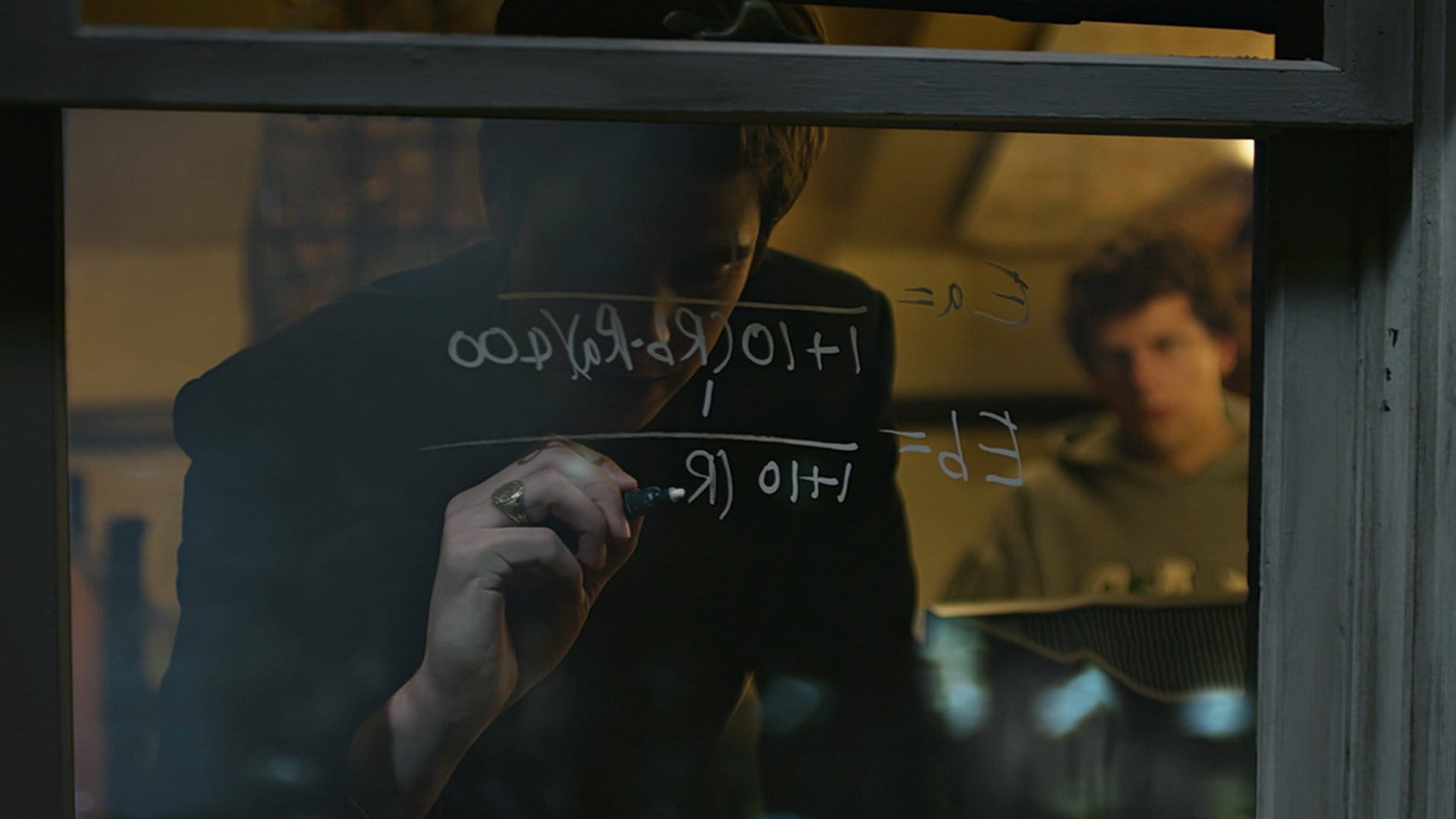
The idea of any kind of follow-up to that film feels wildly unnecessary, because the film so perfectly reflects the world that followed it. It doesn't just document the founding of Facebook, it documents a turning point in our social fabric, when a bunch of insecure men with fragile egos in endless pursuit of money and status grabbed ahold of the still fresh and malleable landscape of the internet and shaped it in their image. It's not exactly difficult to draw a line between a pathetic college student developing a website to rank the attractiveness of women on his campus and the inevitable rampant proliferation of incel culture, or to understand that a guy who would oust his only business partner with a conscience by diluting his shares would one day be more interested in exponential growth than the moral and political ramifications of forcing engagement by way of anger.
The effects of every action depicted in The Social Network are now felt on a daily basis. They permeate our entire existence, an existence ruled by technocrats, billionaires who are now rapidly razing the landscape with no regard for the consequences, wealthy losers who are lighting money and communities on fire trying to force technology upon us with no proven benefit other than lining their pockets with more capital and political power. The forced transition from curated feeds to endless scrolls through algorithmically driven attention engines has drained us of any semblance of what social media once stood for. Nobody is keeping up with their friends, making connections, seeding new interests. It is a desolate landscape of anger, noise, and consumerist rot, and if its users haven't completely abdicated control of their thought processes to the machines, they recognize its destructive power but remain unable to unhook themselves from the cheap dopamine injections because it's the only reprieve from an outside world that feels even worse.
In a world like that, what's the use for a film like The Social Reckoning? In a world where we are all constantly faced with the result of the choices of men like Zuckerberg, it takes a level of genuine interest and insight in order to approach interrogating our current social fabric, a level that Sorkin has absolutely no interest in getting to. The Sorkin whose stilted yet propulsively written dialogue became a staple of a host of great movies helmed by dynamic visual directors is long gone; replaced by a smarmy, condescending voice that treats his audience like uninformed morons incapable of perceiving the world around them. His directorial output, unencumbered by a director to temper his worst impulses, has been full of simplistic pandering that sheds all semblance of nuance in favor of dramatic swells of music accompanied by characters cartoonishly cheering on the protagonist doing something morally right. These films are posturing as political pieces but are stripped of all commentary or insight, instead allowing the viewer to project the most basic morality onto them to feel good about themselves.
Further weakening Sorkin's literalist approach to returning to the Facebook well is that we now have a host of films all insightfully and informatively tackling the litany of subject matter that The Social Reckoning glosses over without interrogating effectively. Bertrand Bonello's The Beast takes a fragmented approach to our past, present, and future, the ways that we have evolved to silo ourselves over time until we are left as isolated husks subject to the whims of violent, antisocial men. Bonello's earlier film Coma documented the hyperspecific alienation we suffered through during the pandemic, particularly as it applied to our youth, forced to reconcile with loneliness through digital glow until it becomes a permeating infection imitating whatever it sees on the screen. Pascal Plante's Red Rooms finds that same infection contributing to an untenable world of digital alienation and desensitization leveraging suffering for a profit until we are completely bereft of humanity. Kiyoshi Kurosawa's Cloud wields the power of digital connection as a source of collective rage, how the internet is designed to radicalize through anonymity as much as it is designed to let people dive headfirst into the hellish landscape of capital at all costs. Nathan Fielder and Lance Oppenheim's You Can See Everything is such a revelatory look at the psychosis of Silicon Valley con artists that it's hard to imagine anything else on the subject being necessary. The list could go on, insofar as the dominoes laid by Zuckerberg in 2004 have led to nearly every aspect of our lives being dominated by a post-Facebook world, and thus it's hard not to see that reflected in our artistic output.
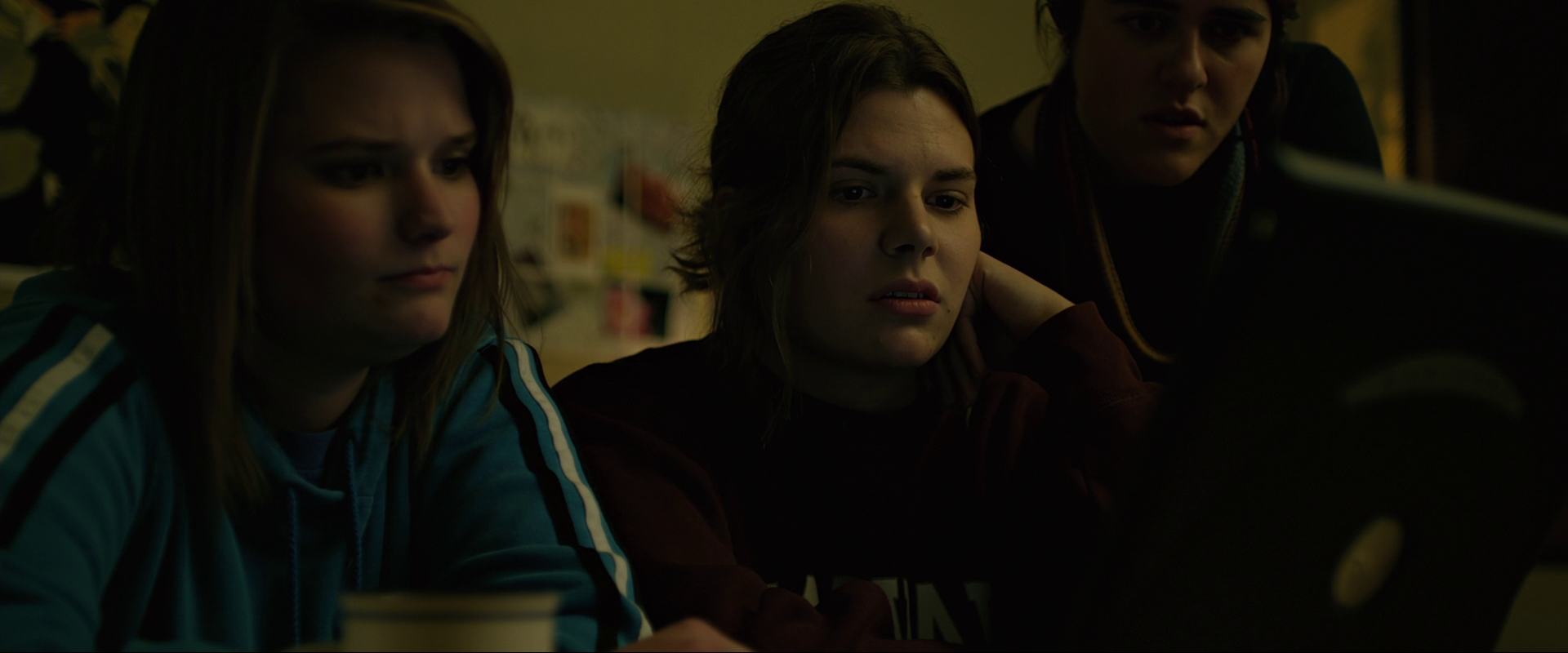
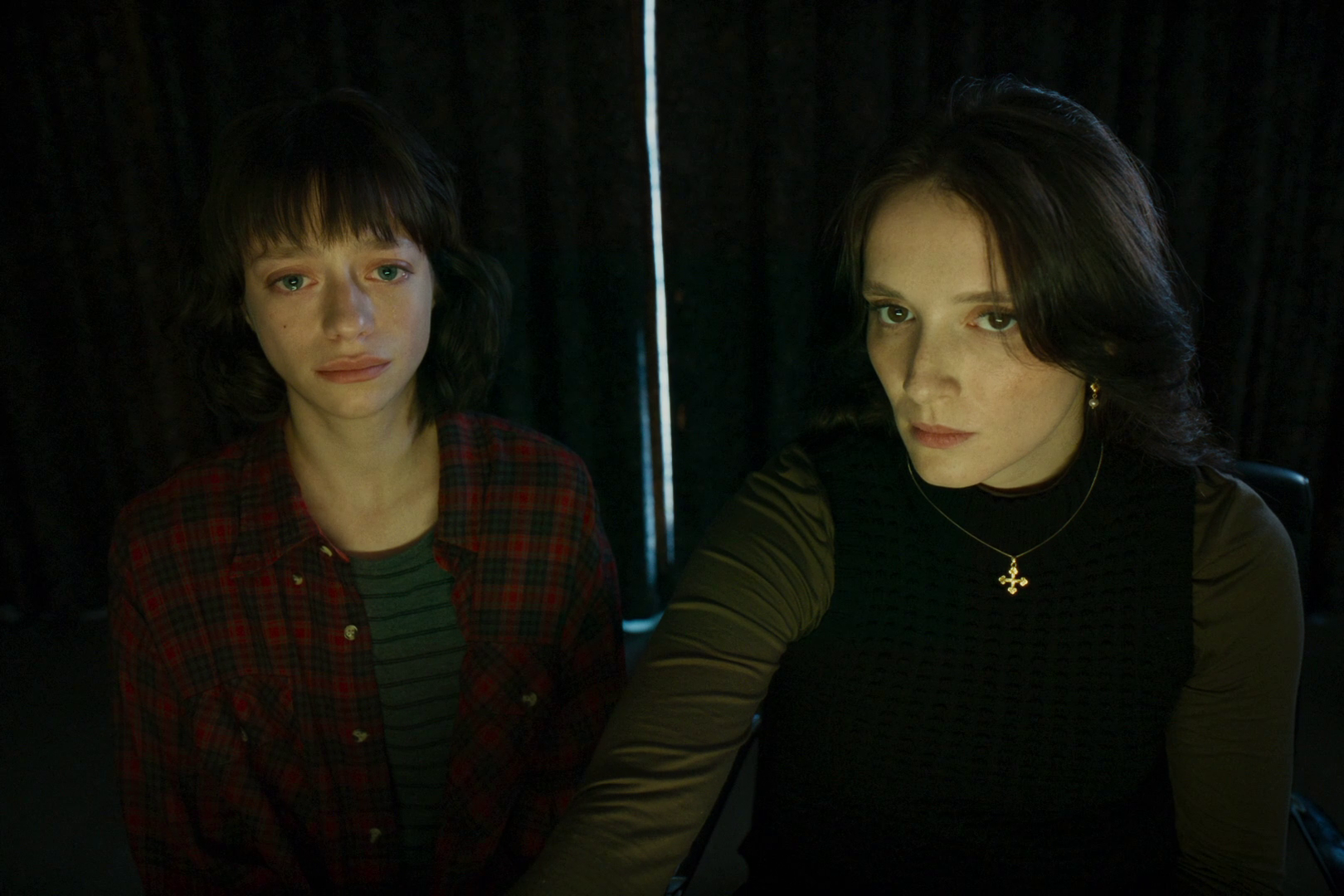

The Social Network (2010) dir. David Fincher, Red Rooms (2023) dir. Pascal Plante, The Beast (2023) dir. Bertrand Bonello
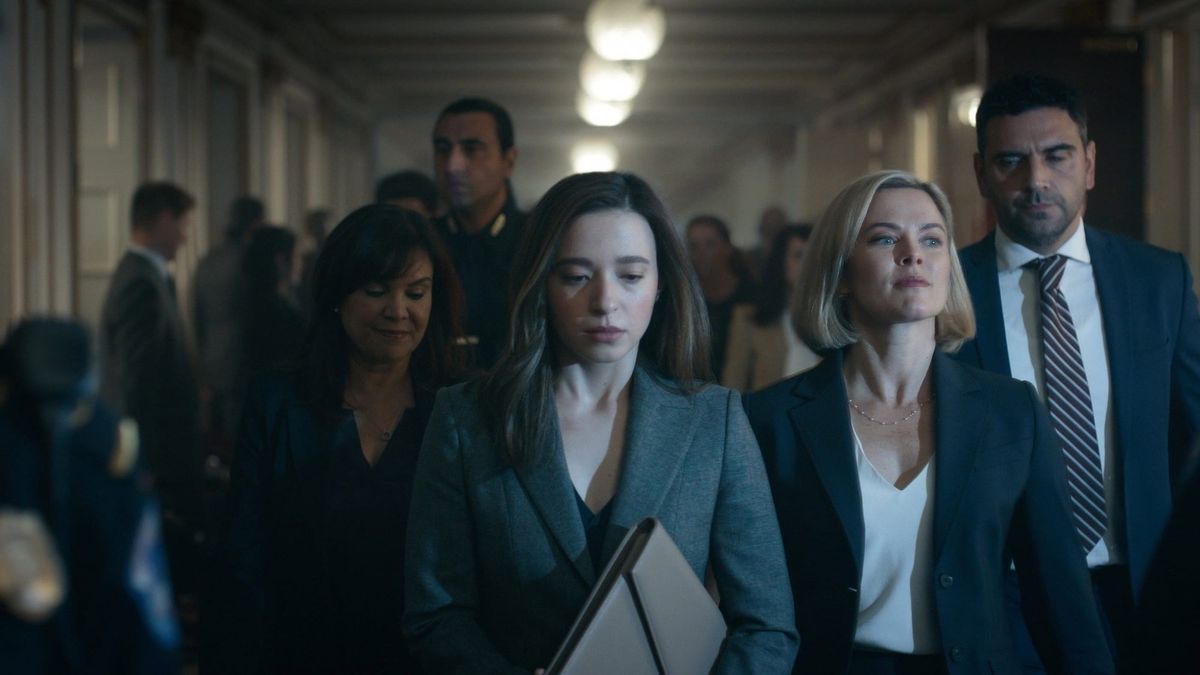
Given that the cards were so heavily stacked against Sorkin from the outset, it's almost a relief that he isn't even trying. It's hard to imagine watching The Social Reckoning that this is the same person who wrote The Social Network, harder still to imagine he's ever even seen it. Without watching the film, merely hearing the opening riff of The White Stripes' "Ball and Biscuit" is like hitting play on that first scene of Mark and Erica sat across from each other at a Boston bar, dialogue whipping back and forth for a character introduction that tells you everything you need to know about Zuckerberg. Sorkin's opening scene tepidly sets the stage for the radicalization that has proliferated the internet in the last decade, but it's only window dressing for other characters to react to. If the 2010 depiction of Zuckerberg existed as a cipher for the ways that greed and the desire to be liked would become the standard for existence in the future, there is no such equivalent here. The film ostensibly has three leads, but instead of focusing on one character's frustrated inability to be human and playing it against characters with tangible charisma, every character is completely lifeless and uninteresting.
Frances Haugen, accuracy to her real-life counterpart notwithstanding, is depicted as such a caricature, a morally righteous and socially awkward data scientist (at one point she types "I'm a data scientist" which the camera lingers on as if it's revelatory) who maintains a deep-seated belief in what Facebook could represent if it were steered in the right direction. Jeff Horwitz, the Wall Street Journal investigative reporter trying to pull the story of Facebook's irresponsible algorithm changes out of her, is a skeptical luddite who likes old music and movies. Mark Zuckerberg is exactly how you expect him to be, a completely literal interpretation of his image as a robotic, inhumane, profit driven megalomaniac – which, while not inaccurate, is certainly a pointlessly reductive depiction that mines absolutely nothing of interest out of his actions. For each of these characters, it truly never gets deeper than these surface level observations, they are defined by very rigid characteristics that drive every scene and are constantly resurfaced lest you forget just how much Frances believes in Facebook or that Jeff doesn't understand technology.
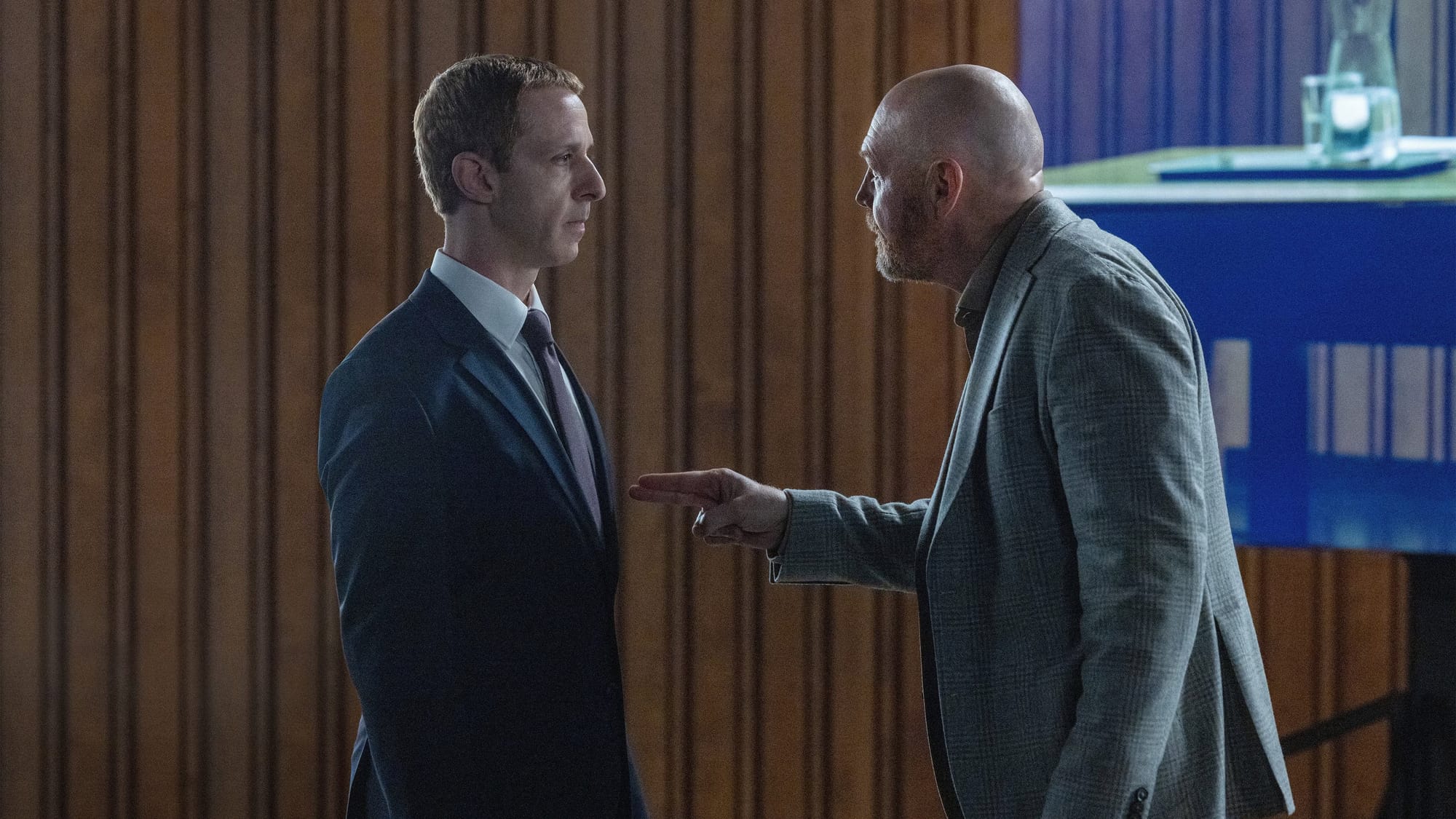
Everything in the periphery is just as blandly surface level, a wildly condescending and literalist read of the text it is adapted from, gaining absolutely nothing from the spectacle of cinema or the potential it has to reveal more truth than anticipated. It is so pathetically linear, despite Sorkin trying his best to repeat the crosscut timelines he can't get anything out of it here, so you're left with a series of character revelations that the audience is already aware of. Facebook changed its interaction algorithm to push its users towards extremist content, radicalizing anyone who spends an excess of time on the platform. Instagram has a ludicrously high rate of deleterious effects on young women and the platform does nothing about it. Zuckerberg has no interest in rehabilitating his image and only wants to enrich himself by taking the path of profit, and despite advice to the contrary he maintained his line of free speech absolutism until the President of the United States attempted to overthrow democracy and thousands of people led a violent insurrection on our capitol. So what's the takeaway? This certainly won't stand the test of time as a prescient vision of how our future will continue to crumble at the hands of people like Zuckerberg because we're already well beyond the years it depicts and we are already living in those consequences. We already understand that technocrats will continue to work to install fascists for the sake of lax regulations that leverage lucrative profits, we have seen how the rise of AI has made Facebook and Instagram even more rife with misinformation and psychosis and we have seen the world getting worse and worse. To release a movie so stuck in one moment, with a protagonist who is desperate to tell you that there's a version of Facebook that works in our best interest, is misguided at best and offensive to the viewer's intelligence at worst. You're not a bad writer, Sorkin. You're just trying so hard to be.

Comments ()